
Patient Monitoring and Assessment
Expert-defined terms from the Masterclass Certificate in Neonatal Ventilation course at London School of Planning and Management. Free to read, free to share, paired with a professional course.
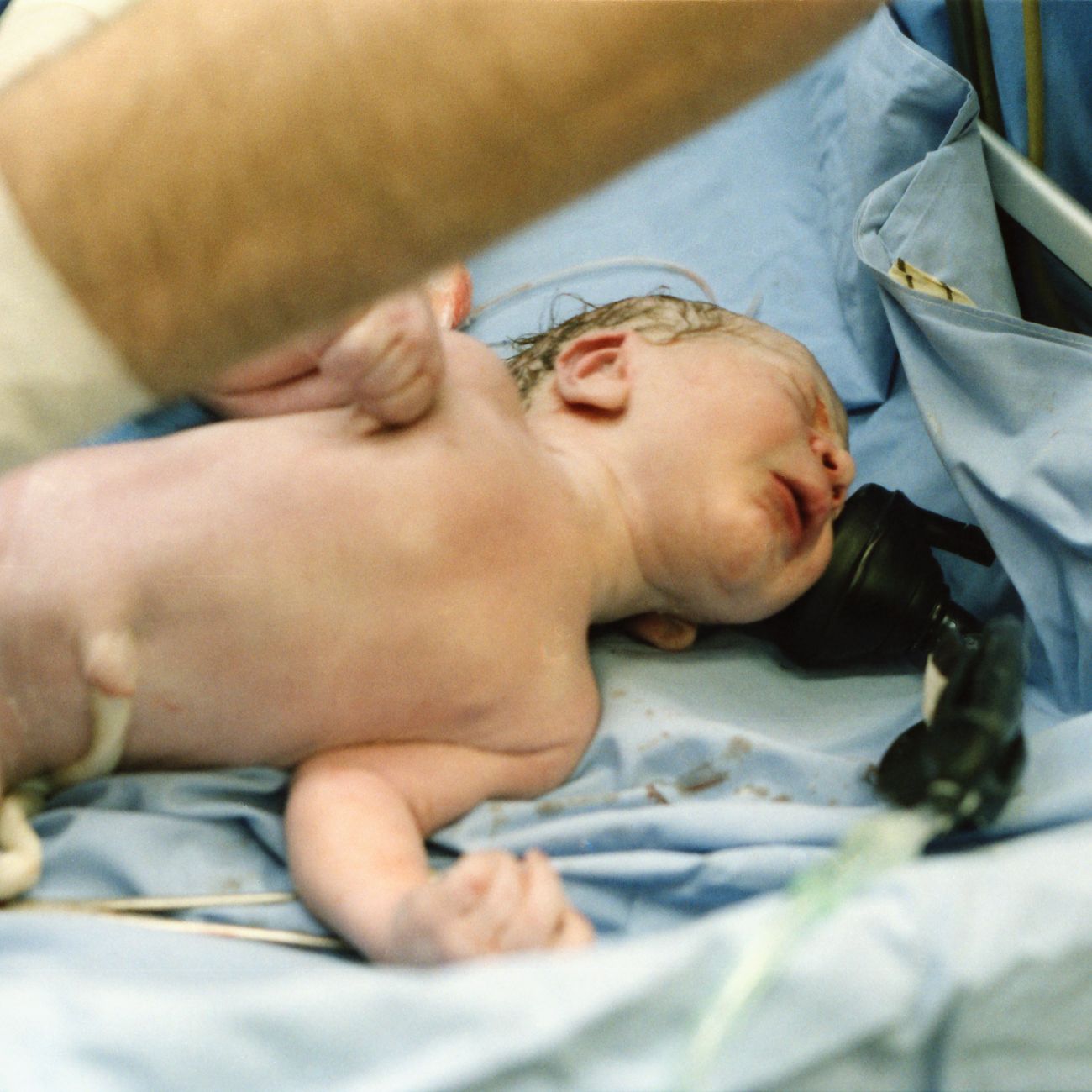
Patient Monitoring and Assessment #
Patient monitoring and assessment are crucial aspects of providing care to neona… #
It involves regularly evaluating the patient's vital signs, oxygenation, ventilation parameters, and overall clinical status to ensure optimal therapy and timely intervention when necessary.
Continuous Monitoring #
Continuous monitoring refers to the ongoing observation and recording of a neona… #
This includes monitoring heart rate, respiratory rate, blood pressure, oxygen saturation, end-tidal carbon dioxide, and ventilator settings such as tidal volume and peak inspiratory pressure.
Intermittent Assessment #
Intermittent assessment involves periodic evaluations of the neonate's clinical… #
This may include performing physical examinations, assessing blood gases, and re-evaluating ventilator settings to ensure appropriate support.
Physical Examination #
A physical examination is a systematic assessment of the neonate's body to evalu… #
This may involve inspecting the skin, listening to the heart and lungs, palpating the abdomen, and assessing neurological status.
Respiratory Rate #
Respiratory rate is the number of breaths taken by the neonate in one minute #
It is an important parameter to monitor as deviations from the normal range may indicate respiratory distress or inadequate ventilation.
Heart Rate #
Heart rate is the number of heartbeats per minute #
Monitoring heart rate is essential as changes can indicate cardiac dysfunction, hypoxemia, or other underlying conditions affecting cardiovascular function.
Blood Pressure #
Blood pressure is the force exerted by circulating blood against the walls of th… #
Monitoring blood pressure in neonates undergoing ventilation is crucial to assess perfusion and ensure adequate tissue oxygenation.
Oxygen Saturation #
Oxygen saturation is the percentage of hemoglobin in the blood that is saturated… #
Monitoring oxygen saturation provides information about the neonate's oxygenation status and helps guide ventilator settings to maintain optimal oxygen levels.
End #
Tidal Carbon Dioxide (EtCO2):
End #
tidal carbon dioxide is the partial pressure of carbon dioxide at the end of expiration. Monitoring EtCO2 levels provides information about ventilation adequacy, helps assess lung function, and guides adjustments to ventilator settings.
Blood Gas Analysis #
Blood gas analysis involves measuring the levels of oxygen, carbon dioxide, and… #
This information helps assess respiratory function, acid-base balance, and the effectiveness of ventilation therapy.
Chest X #
ray:
A chest X #
ray is a diagnostic imaging study that provides detailed images of the neonate's chest and lungs. It is used to assess lung expansion, detect abnormalities such as atelectasis or pneumothorax, and monitor changes in lung status over time.
Pulse Oximetry #
Pulse oximetry is a non #
invasive method of monitoring oxygen saturation in the blood. It involves placing a sensor on the neonate's skin to measure the absorption of light by oxygenated and deoxygenated hemoglobin, providing real-time oxygen saturation values.
Capnography #
Capnography is a method of monitoring the concentration of carbon dioxide in exh… #
It provides continuous information about ventilation adequacy, respiratory rate, and helps detect abnormalities such as hypoventilation or airway obstruction.
Arterial Blood Gas (ABG) #
Arterial blood gas analysis involves sampling blood from an artery to measure ox… #
ABG analysis provides detailed information about the neonate's respiratory and metabolic status, guiding ventilation management.
Peak Inspiratory Pressure (PIP) #
Peak inspiratory pressure is the highest pressure reached during inspiration on… #
Monitoring PIP helps assess airway resistance, lung compliance, and the risk of barotrauma, guiding adjustments to ventilator settings to optimize ventilation.
Tidal Volume (VT) #
Tidal volume is the volume of air delivered in each breath by the ventilator #
Monitoring tidal volume is essential to ensure adequate ventilation and prevent overdistension or hypoventilation, which can lead to lung injury or inadequate gas exchange.
Positive End #
Expiratory Pressure (PEEP):
Positive end #
expiratory pressure is the pressure maintained in the airways at the end of expiration to prevent alveolar collapse. Monitoring PEEP helps improve oxygenation, recruit collapsed alveoli, and optimize lung compliance in neonates undergoing ventilation.
Fraction of Inspired Oxygen (FiO2) #
Fraction of inspired oxygen is the percentage of oxygen delivered by the ventila… #
Monitoring FiO2 helps maintain adequate oxygen saturation while minimizing the risk of oxygen toxicity or hyperoxia, guiding adjustments to FiO2 based on the neonate's oxygen requirements.
Respiratory Distress Syndrome (RDS) #
Respiratory distress syndrome is a common condition in premature neonates charac… #
Monitoring and assessing neonates with RDS require careful ventilation management to support gas exchange and prevent complications.
Apnea #
Apnea is the absence of breathing for more than 20 seconds or a shorter period a… #
Monitoring for apnea in neonates undergoing ventilation is essential as it can lead to hypoxemia, bradycardia, and adverse outcomes if not promptly detected and managed.
Bradycardia #
Bradycardia is a slow heart rate, typically below 100 beats per minute in neonat… #
Monitoring for bradycardia is important during ventilation as it can indicate inadequate perfusion, hypoxemia, or autonomic dysfunction, requiring prompt intervention to prevent adverse events.
Hyperoxia #
Hyperoxia is an excess of oxygen in the blood, which can lead to oxygen toxicity… #
Monitoring for hyperoxia in neonates undergoing ventilation is crucial to prevent lung injury, retinopathy of prematurity, and other complications associated with high oxygen levels.
Hypoxemia #
Hypoxemia is low oxygen levels in the blood, which can impair tissue oxygenation… #
Monitoring for hypoxemia in neonates on ventilation is essential to detect and correct oxygen deficits promptly, optimizing oxygen delivery and preventing adverse outcomes.
Atelectasis #
Atelectasis is the collapse of alveoli in the lungs, leading to impaired gas exc… #
Monitoring for atelectasis in neonates undergoing ventilation is important as it can affect oxygenation, ventilation efficiency, and increase the risk of respiratory complications.
Pneumothorax #
Pneumothorax is the presence of air in the pleural space, causing lung collapse… #
Monitoring for pneumothorax in neonates on ventilation is crucial as it can lead to respiratory distress, hypoxemia, and hemodynamic instability, requiring prompt recognition and intervention.
Barotrauma #
Barotrauma is lung injury caused by high airway pressures, leading to alveolar r… #
Monitoring for barotrauma in neonates undergoing ventilation is essential to prevent lung damage, pneumothorax, and other complications associated with high ventilator pressures.
Ventilator #
Associated Lung Injury (VALI):
Ventilator #
associated lung injury refers to lung damage caused by mechanical ventilation, including barotrauma, volutrauma, and atelectrauma. Monitoring for VALI in neonates requires careful ventilation management to minimize the risk of lung injury, optimize gas exchange, and improve outcomes.
Neonatal Intensive Care Unit (NICU) #
The neonatal intensive care unit is a specialized unit in the hospital dedicated… #
Monitoring and assessing neonates in the NICU undergoing ventilation require advanced equipment, skilled healthcare providers, and a multidisciplinary team approach to optimize care and outcomes.
Multimodal Monitoring #
Multimodal monitoring involves using a combination of monitoring techniques to a… #
This may include continuous vital sign monitoring, blood gas analysis, imaging studies, and other assessments to guide ventilation management and address the neonate's evolving needs effectively.
Challenges in Patient Monitoring and Assessment #
Patient monitoring and assessment in neonatal ventilation present several challe… #
Challenges may include interpreting subtle changes in vital signs, responding to sudden clinical deterioration, and adapting ventilation strategies to individual neonatal needs.
Interprofessional Collaboration #
Interprofessional collaboration involves healthcare providers from different dis… #
This collaborative approach facilitates effective patient monitoring and assessment, improves communication, and enhances outcomes by leveraging the expertise of diverse team members.
Evidence #
Based Practice:
Evidence #
based practice involves using research evidence, clinical expertise, and patient preferences to guide decision-making in neonatal ventilation. Applying evidence-based practices in patient monitoring and assessment helps optimize care, improve outcomes, and ensure the delivery of high-quality, safe, and effective ventilation therapy.
Quality Improvement #
Quality improvement initiatives focus on enhancing the delivery of care, optimiz… #
Monitoring and assessing the quality of patient care in ventilation require ongoing evaluation, feedback, and implementation of best practices to drive improvements in clinical practice and patient safety.
Family #
Centered Care:
Family #
centered care involves engaging families as partners in the care of neonates undergoing ventilation, promoting open communication, shared decision-making, and emotional support. Involving families in patient monitoring and assessment fosters trust, improves satisfaction, and enhances the overall experience of care for both neonates and their families.
Transition of Care #
The transition of care involves transferring the neonate from one care setting t… #
Monitoring and assessing neonates during transitions of care require careful planning, coordination, and communication to ensure continuity of care, prevent gaps in monitoring, and promote a smooth transfer process.
Neonatal Transport #
Neonatal transport involves transferring critically ill or premature neonates to… #
Monitoring and assessing neonates during transport require portable monitoring equipment, skilled transport teams, and protocols to ensure safe and effective ventilation therapy during transit.
Telemedicine #
Telemedicine involves using technology to provide remote monitoring, consultatio… #
Telemedicine enables real-time communication, data sharing, and expert consultation to enhance patient monitoring and assessment, improve access to specialist care, and optimize outcomes for neonates in need of ventilation therapy.
Simulation #
Based Training:
Simulation #
based training involves using realistic scenarios and simulators to practice patient monitoring and assessment skills in a controlled environment. Simulation training enhances clinical competence, teamwork, and decision-making in neonatal ventilation, providing opportunities to rehearse critical scenarios, refine skills, and improve patient safety.
Competency Assessment #
Competency assessment involves evaluating healthcare providers' knowledge, skill… #
Assessing competencies ensures that providers are proficient in interpreting data, making clinical decisions, and responding to emergencies effectively, promoting safe and high-quality care for neonates undergoing ventilation.
Professional Development #
Professional development involves continuous learning, skills enhancement, and c… #
Engaging in ongoing education, training, and certification programs supports professional growth, fosters excellence in patient monitoring and assessment, and promotes a culture of continuous improvement in neonatal care.
Ethical Considerations #
Ethical considerations in patient monitoring and assessment in neonatal ventilat… #
Upholding ethical principles ensures that neonates receive compassionate, respectful, and patient-centered care, guided by the best interests of the neonate and their families.
Legal and Regulatory Compliance #
Legal and regulatory compliance in patient monitoring and assessment in neonatal… #
Ensuring compliance with regulations protects the rights of patients, promotes safety, and mitigates risks, providing a framework for ethical and accountable care delivery in neonatal ventilation.
Documentation and Communication #
Documentation and communication in patient monitoring and assessment involve acc… #
Clear and comprehensive documentation supports continuity of care, promotes collaboration, and facilitates timely decision-making in neonatal ventilation, enhancing patient safety and outcomes.
Teamwork and Communication #
Teamwork and communication are essential for effective patient monitoring and as… #
Building strong communication skills, fostering a culture of teamwork, and practicing effective handoffs enhance patient safety, optimize outcomes, and improve the quality of care for neonates undergoing ventilation.
Clinical Decision #
Making:
Clinical decision #
making in patient monitoring and assessment involves synthesizing data, applying clinical judgment, and making informed decisions to optimize care for neonates on ventilation. Enhancing decision-making skills, critical thinking, and problem-solving abilities supports effective patient management, promotes safety, and improves outcomes in neonatal ventilation.
Adverse Events and Complications #
Adverse events and complications in patient monitoring and assessment in neonata… #
Preventing adverse events, managing complications promptly, and implementing strategies to enhance patient safety are essential for minimizing risks, improving care quality, and optimizing outcomes for neonates undergoing ventilation.
Resource Management #
Resource management in patient monitoring and assessment involves optimizing the… #
Maximizing resource allocation, ensuring equipment availability, and promoting cost-effective practices support quality care delivery, enhance patient outcomes, and facilitate sustainability in neonatal ventilation services.
Research and Innovation #
Research and innovation in patient monitoring and assessment drive advances in n… #
Supporting research, fostering innovation, and integrating new technologies and approaches enhance the quality, safety, and effectiveness of care delivery in neonatal ventilation, leading to continuous improvements in patient outcomes and long-term health.