
Introduction to Event Accessibility
Expert-defined terms from the Certified Professional in Event Accessibility Training course at London School of Planning and Management. Free to read, free to share, paired with a globally recognised certification pathway.
Accessible Event #
An event that is designed and executed in a way that ensures all individuals, including those with disabilities, can fully participate and enjoy the experience. Accessible events consider physical, sensory, and cognitive disabilities, providing accommodations and resources to meet diverse needs.
ADA (Americans with Disabilities Act) #
A civil rights law enacted in 1990 that prohibits discrimination against individuals with disabilities in all areas of public life, including jobs, schools, transportation, and public spaces. The ADA requires equal access and reasonable accommodations for people with disabilities.
Assistive Listening Devices #
Technology that helps individuals with hearing impairments to enhance sound quality and clarity in various environments, including events. Examples include hearing loops, FM systems, and infrared systems.
Braille #
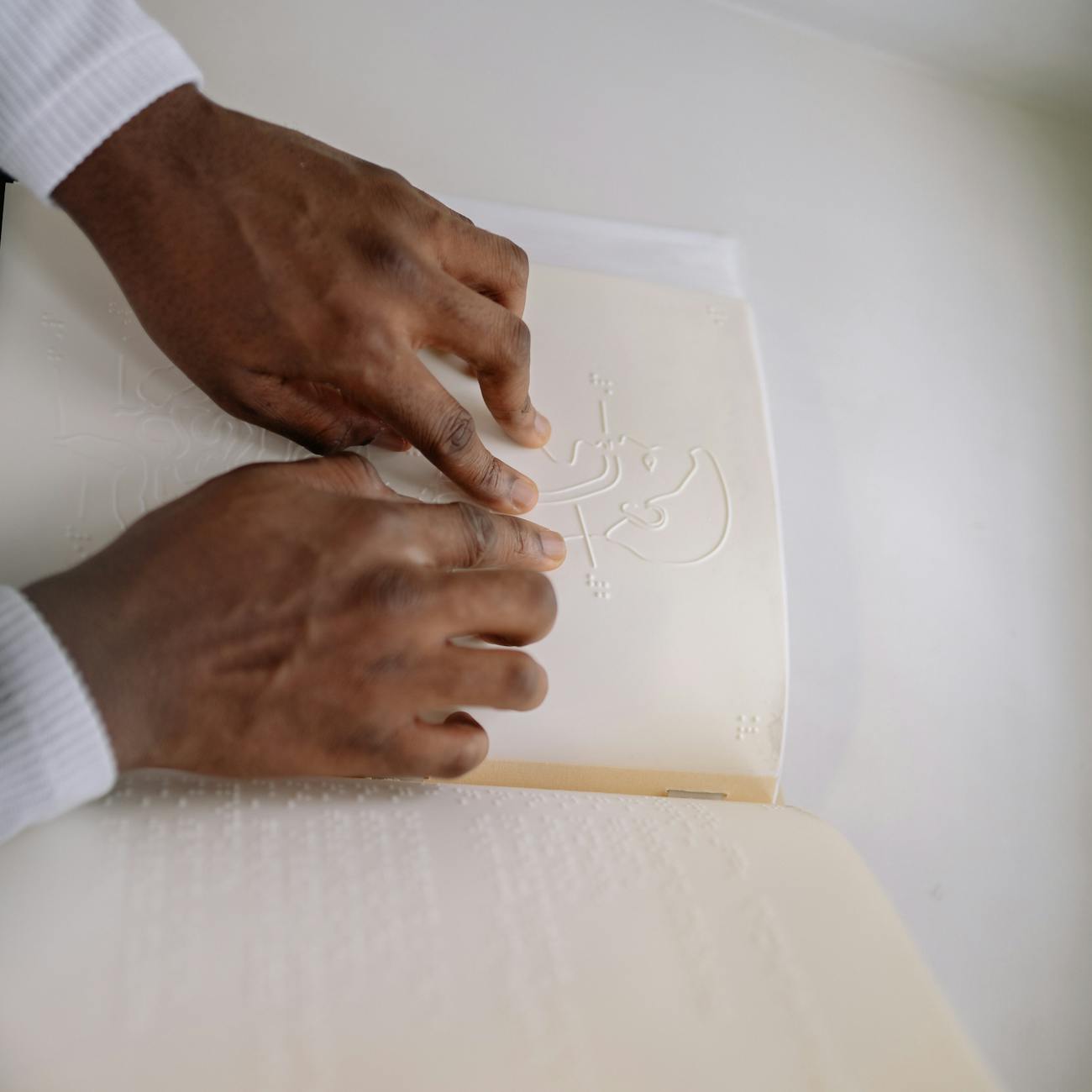
A system of raised dots that individuals with visual impairments can read by touch. Braille is used for signage, documents, and other materials to provide information in a tactile format.
Captioning #
The process of displaying text on a screen to provide a visual representation of spoken dialogue, sounds, and other auditory information. Captioning is essential for individuals who are deaf or hard of hearing to access content during events.
Disability #
A physical, sensory, cognitive, or mental impairment that may limit a person's ability to perform certain tasks, participate in activities, or interact with their environment. Disabilities vary in type, severity, and impact on daily life.
Emergency Evacuation Plan #
A detailed strategy outlining procedures for safely evacuating an event venue in case of emergencies such as fires, earthquakes, or severe weather. The plan should include accessible routes, assistance for individuals with disabilities, and communication methods.
Event Accessibility #
The practice of designing, organizing, and executing events in a way that ensures equal access and inclusion for individuals with disabilities. Event accessibility encompasses physical, sensory, communication, and cognitive aspects to create a welcoming environment for all attendees.
Event Staff Training #
Educational programs and resources provided to event staff members to increase their awareness, knowledge, and skills related to disability inclusion, accessibility requirements, and best practices for serving diverse attendees.
Inclusive Design #
A design approach that considers the diverse needs, preferences, and abilities of all users, including those with disabilities. Inclusive design aims to create products, environments, and experiences that are usable by as many people as possible without the need for adaptations or special accommodations.
Large Print Materials #
Printed materials with larger fonts and increased spacing to make content more readable for individuals with low vision or visual impairments. Large print materials are commonly used for signage, programs, and handouts at events.
Mobility Devices #
Assistive devices used by individuals with mobility impairments to aid in movement and navigation, such as wheelchairs, walkers, canes, and scooters. Event planners should consider accessibility for different types of mobility devices when designing event spaces.
Quiet Zones #
Designated areas within event venues where noise levels are reduced, providing a calm and comfortable environment for individuals with sensory sensitivities, autism, or other conditions that may be triggered by loud sounds.
Service Animals #
Trained animals, typically dogs, that provide assistance and support to individuals with disabilities. Service animals are allowed in event venues and public spaces as per the ADA regulations, and event organizers should accommodate their presence.
Sign Language Interpreters #
Professionals trained to interpret spoken language into sign language and vice versa to facilitate communication between individuals who are deaf or hard of hearing and those who are hearing. Sign language interpreters are essential for ensuring effective communication at events.
Universal Design #
An approach to design that aims to create products, environments, and experiences that are accessible and usable by people of all abilities, ages, and backgrounds. Universal design emphasizes inclusivity, flexibility, and simplicity to accommodate diverse needs without the need for special adaptations.