
Pulp and Paper Environmental Management
Expert-defined terms from the Professional Certificate in Pulp and Paper Engineering course at London School of Planning and Management. Free to read, free to share, paired with a professional course.
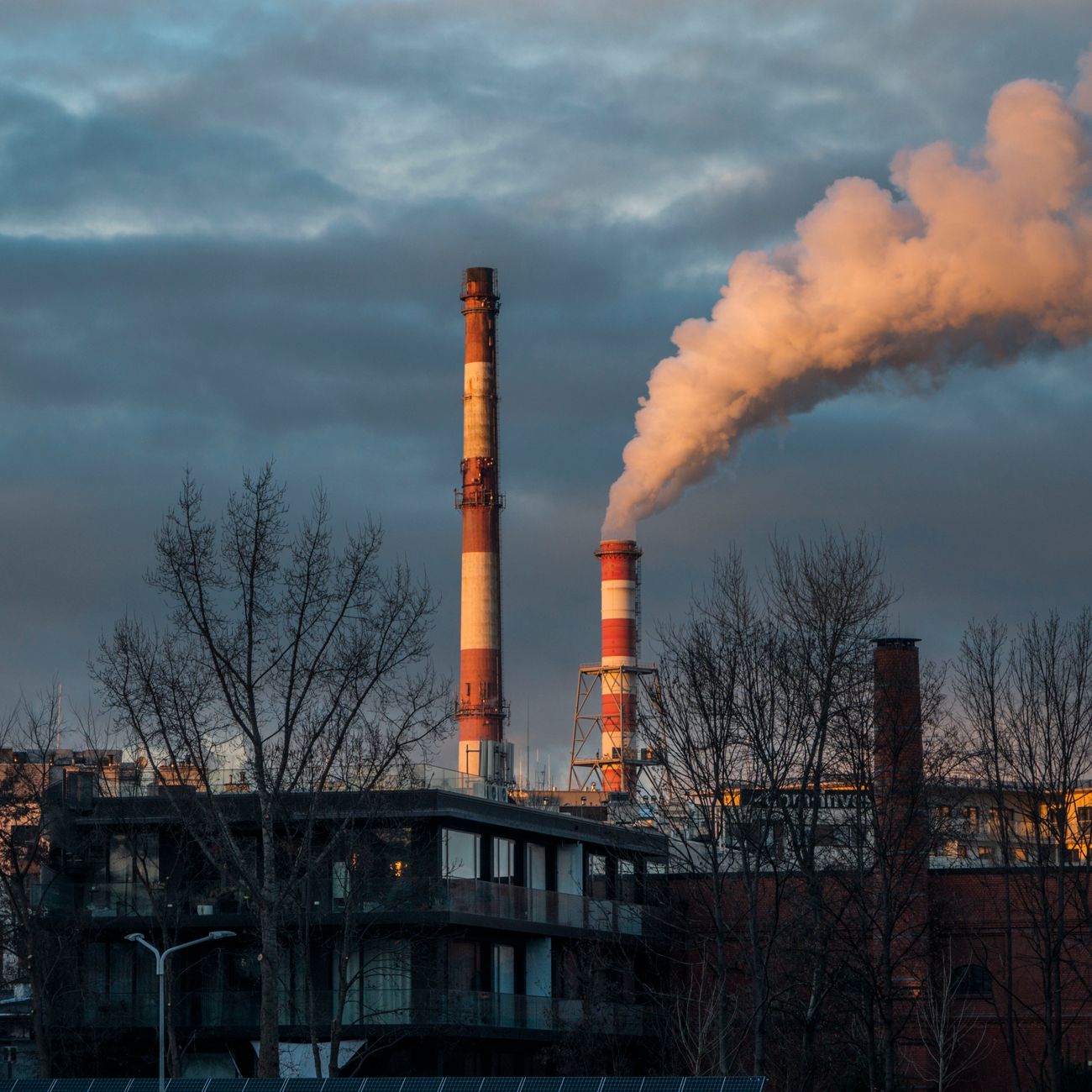
Pulp and Paper Environmental Management #
Pulp and Paper Environmental Management
Specific Term #
Pulp and Paper Environmental Management
Concept #
Pulp and paper environmental management refers to the strategies and practices implemented by pulp and paper mills to minimize their environmental impact and comply with regulatory requirements. It involves the assessment, monitoring, and control of environmental aspects such as air emissions, water discharges, solid waste generation, and energy consumption.
Explanation #
Pulp and paper mills are significant contributors to environmental pollution due to the nature of their operations, which involve the use of chemicals, water, and energy. Pulp and paper environmental management aims to reduce the environmental footprint of these facilities through the implementation of various measures.
One key aspect of pulp and paper environmental management is the reduction of ai… #
This can be achieved by installing pollution control equipment such as electrostatic precipitators and scrubbers to capture particulate matter and gases before they are released into the atmosphere. Additionally, mills can optimize their combustion processes to minimize emissions of greenhouse gases and other pollutants.
Another critical element of environmental management in the pulp and paper indus… #
Pulp and paper mills generate large volumes of wastewater containing organic compounds, suspended solids, and chemicals used in the pulping process. To prevent water pollution, mills must treat their effluent before discharging it into water bodies or municipal sewage systems. This can involve physical, chemical, and biological treatment processes to remove contaminants and improve water quality.
Solid waste generation is also a significant environmental concern for pulp and… #
These facilities produce various types of waste, including sludge from wastewater treatment, bark and wood residues from the pulping process, and packaging materials from finished products. To minimize the environmental impact of solid waste, mills can implement recycling programs, composting facilities, and waste-to-energy technologies to divert waste from landfills and reduce their overall waste footprint.
Energy consumption is another area where pulp and paper mills can improve their… #
By optimizing their energy use and investing in energy-efficient technologies, mills can reduce their greenhouse gas emissions and reliance on fossil fuels. This can include upgrading equipment, implementing heat recovery systems, and utilizing renewable energy sources such as biomass and hydroelectric power.
Overall, pulp and paper environmental management is essential for the sustainabi… #
By implementing effective environmental management practices, pulp and paper mills can reduce their environmental impact, comply with regulations, and demonstrate their commitment to sustainability.
Pulp and Paper Environmental Management #
Pulp and Paper Environmental Management
Environmental management in the pulp and paper industry is the practice of ident… #
This process involves implementing strategies to minimize negative environmental effects, comply with regulations, and promote sustainability within the industry.
Environmental Management System (EMS) #
Environmental Management System (EMS)
An environmental management system (EMS) is a structured framework that helps or… #
EMSs provide a systematic approach to planning, implementing, evaluating, and improving environmental performance.
Environmental Aspect #
Environmental Aspect
An environmental aspect is an element of an organization's activities, products,… #
Examples of environmental aspects in the pulp and paper industry include air emissions, water discharges, energy consumption, and waste generation.
Environmental Impact #
Environmental Impact
An environmental impact is the consequence of an environmental aspect on the env… #
Environmental impacts in the pulp and paper industry can include air pollution, water pollution, deforestation, habitat destruction, and greenhouse gas emissions.
Life Cycle Assessment (LCA) #
Life Cycle Assessment (LCA)
Life cycle assessment (LCA) is a methodology used to evaluate the environmental… #
LCA helps identify opportunities to reduce environmental impacts and improve sustainability.
Carbon Footprint #
Carbon Footprint
A carbon footprint is the total amount of greenhouse gas emissions, primarily ca… #
In the pulp and paper industry, carbon footprints are calculated to assess the environmental impact of operations and identify opportunities for emission reductions.
Water Footprint #
Water Footprint
A water footprint is the total volume of freshwater used directly or indirectly… #
In the pulp and paper industry, water footprints are calculated to assess water consumption, identify water-related risks, and improve water management practices.
Waste Management #
Waste Management
Waste management in the pulp and paper industry involves the collection, treatme… #
Effective waste management practices help reduce environmental impacts, conserve resources, and comply with regulations.
Green Chemistry #
Green Chemistry
Green chemistry is an approach to chemical design and production that aims to mi… #
In the pulp and paper industry, green chemistry principles are applied to improve environmental performance.
Renewable Energy #
Renewable Energy
Renewable energy is energy derived from natural resources that can be replenishe… #
The pulp and paper industry is increasingly using renewable energy sources to reduce greenhouse gas emissions and promote sustainability.
Sustainable Forestry #
Sustainable Forestry
Sustainable forestry is the practice of managing forests in a way that meets cur… #
Sustainable forestry principles are essential for the long-term viability of the pulp and paper industry.
Compliance #
Compliance
Compliance refers to the act of adhering to laws, regulations, standards, and gu… #
In the pulp and paper industry, compliance with environmental regulations is critical to avoid fines, penalties, and reputational damage.
ISO 14001 #
ISO 14001
ISO 14001 is an international standard for environmental management systems deve… #
Organizations in the pulp and paper industry can implement ISO 14001 to demonstrate their commitment to environmental responsibility and improve environmental performance.
Environmental Audit #
Environmental Audit
An environmental audit is a systematic assessment of an organization's environme… #
Environmental audits help identify areas for improvement, address non-compliance issues, and enhance environmental management practices.
Environmental Monitoring #
Environmental Monitoring
Environmental monitoring involves the collection and analysis of data to evaluat… #
In the pulp and paper industry, environmental monitoring helps track air emissions, water discharges, waste generation, and other environmental indicators.
Best Available Techniques (BAT) #
Best Available Techniques (BAT)
Best Available Techniques (BAT) are the most effective and advanced methods for… #
In the pulp and paper industry, BATs are used to improve environmental performance, reduce environmental impacts, and comply with regulations.
Greenhouse Gas Emissions #
Greenhouse Gas Emissions
Greenhouse gas emissions are gases that trap heat in the Earth's atmosphere, con… #
In the pulp and paper industry, greenhouse gas emissions are produced through the combustion of fossil fuels, chemical processes, and land-use changes.
Environmental Impact Assessment (EIA) #
Environmental Impact Assessment (EIA)
Environmental Impact Assessment (EIA) is a process for evaluating the potential… #
EIAs help identify, predict, and mitigate adverse environmental effects in the pulp and paper industry.
Biodiversity Conservation #
Biodiversity Conservation
Biodiversity conservation refers to the protection and sustainable use of biolog… #
In the pulp and paper industry, biodiversity conservation is essential to preserve natural habitats, protect endangered species, and maintain ecosystem services.
Circular Economy #
Circular Economy
A circular economy is an economic model that aims to minimize waste, maximize re… #
In the pulp and paper industry, a circular economy approach can help reduce environmental impacts and enhance sustainability.
Environmental Compliance #
Environmental Compliance
Environmental compliance refers to the act of following environmental laws, regu… #
In the pulp and paper industry, environmental compliance is essential to maintain legal and social license to operate.
Sustainability Reporting #
Sustainability Reporting
Sustainability reporting is the practice of disclosing environmental, social, an… #
In the pulp and paper industry, sustainability reporting helps demonstrate transparency, accountability, and commitment to sustainability.
Life Cycle Costing #
Life Cycle Costing
Life cycle costing is a financial analysis method that considers the total cost… #
In the pulp and paper industry, life cycle costing helps evaluate the economic viability of environmental initiatives.
Environmental Policy #
Environmental Policy
An environmental policy is a formal statement that outlines an organization's co… #
In the pulp and paper industry, environmental policies guide decision-making, set targets, and promote continuous improvement.
Energy Efficiency #
Energy Efficiency
Energy efficiency is the practice of using less energy to perform the same tasks… #
In the pulp and paper industry, energy efficiency measures help reduce energy consumption, lower operating costs, and decrease greenhouse gas emissions.
Resource Conservation #
Resource Conservation
Resource conservation involves the sustainable use and management of natural res… #
In the pulp and paper industry, resource conservation practices help minimize waste, optimize resource utilization, and enhance environmental performance.
Zero Waste #
Zero Waste
Zero waste is a waste management approach that aims to eliminate or minimize was… #
In the pulp and paper industry, zero waste initiatives promote resource recovery, waste reduction, and circularity.
Environmental Stewardship #
Environmental Stewardship
Environmental stewardship is the responsible use and protection of the environme… #
In the pulp and paper industry, environmental stewardship involves adopting sustainable practices, conserving biodiversity, and minimizing environmental impacts.
Regulatory Compliance #
Regulatory Compliance
Regulatory compliance refers to the act of following laws, regulations, and stan… #
In the pulp and paper industry, regulatory compliance is essential to avoid legal penalties, reputational damage, and operational disruptions.
Carbon Sequestration #
Carbon Sequestration
Carbon sequestration is the process of capturing and storing carbon dioxide from… #
In the pulp and paper industry, carbon sequestration can be achieved through forest conservation, reforestation, and sustainable land management.
Environmental Certification #
Environmental Certification
Environmental certification is a voluntary process that verifies an organization… #
In the pulp and paper industry, environmental certifications such as FSC and PEFC demonstrate a commitment to responsible forestry practices.
Environmental Indicators #
Environmental Indicators
Environmental indicators are measurable parameters used to assess environmental… #
In the pulp and paper industry, environmental indicators can include energy consumption, water use, waste generation, and emissions levels.
Stakeholder Engagement #
Stakeholder Engagement
Stakeholder engagement involves communicating with and involving stakeholders, s… #
In the pulp and paper industry, stakeholder engagement fosters transparency, trust, and collaboration.
Environmental Risk Assessment #
Environmental Risk Assessment
Environmental risk assessment is a systematic process for identifying, evaluatin… #
In the pulp and paper industry, environmental risk assessments help prioritize mitigation measures, prevent incidents, and improve environmental management.
Environmental Planning #
Environmental Planning
Environmental planning is the process of setting environmental objectives, devel… #
In the pulp and paper industry, environmental planning involves integrating environmental considerations into business operations, product development, and decision-making.
Climate Change Mitigation #
Climate Change Mitigation
Climate change mitigation refers to actions taken to reduce or prevent the emiss… #
In the pulp and paper industry, climate change mitigation measures include energy efficiency improvements, renewable energy adoption, and carbon offsetting.
Environmental Performance #
Environmental Performance
Environmental performance refers to an organization's effectiveness in managing… #
In the pulp and paper industry, environmental performance is measured through key performance indicators, audits, and reporting mechanisms.
Environmental Compliance Audit #
Environmental Compliance Audit
An environmental compliance audit is a systematic review of an organization's op… #
In the pulp and paper industry, environmental compliance audits help identify non-compliance issues, improve environmental management, and reduce legal risks.
Environmental Reporting #
Environmental Reporting
Environmental reporting is the process of documenting and communicating an organ… #
In the pulp and paper industry, environmental reporting helps build trust, demonstrate accountability, and drive continuous improvement.
Environmental Management Plan #
Environmental Management Plan
An environmental management plan is a document that outlines an organization's e… #
In the pulp and paper industry, environmental management plans guide decision-making, set priorities, and allocate resources.
Environmental Compliance Monitoring #
Environmental Compliance Monitoring
Environmental compliance monitoring involves the regular surveillance and assess… #
In the pulp and paper industry, environmental compliance monitoring helps prevent violations, identify risks, and improve environmental management practices.
Environmental Impact Mitigation #
Environmental Impact Mitigation
Environmental impact mitigation is the process of reducing, minimizing, or offse… #
In the pulp and paper industry, environmental impact mitigation measures aim to protect ecosystems, conserve resources, and enhance sustainability.
Environmental Management Framework #
Environmental Management Framework
An environmental management framework is a structured system that defines the pr… #
In the pulp and paper industry, environmental management frameworks help establish a systematic approach to environmental management and compliance.
Environmental Compliance Reporting #
Environmental Compliance Reporting
Environmental compliance reporting is the practice of documenting and reporting… #
In the pulp and paper industry, environmental compliance reporting helps demonstrate legal compliance, transparency, and accountability.
Sustainable Development Goals (SDGs) #
Sustainable Development Goals (SDGs)
Sustainable Development Goals (SDGs) are a set of global goals adopted by the Un… #
In the pulp and paper industry, SDGs provide a framework for aligning business practices with environmental and social priorities.
Environmental Certification Scheme #
Environmental Certification Scheme
An environmental certification scheme is a program that certifies and recognizes… #
In the pulp and paper industry, environmental certification schemes help promote responsible practices, differentiate products, and enhance market competitiveness.
Environmental Compliance Management #
Environmental Compliance Management
Environmental compliance management is the systematic process of identifying, ev… #
In the pulp and paper industry, environmental compliance management involves developing policies, procedures, and controls to prevent environmental violations and promote sustainability.
Environmental Performance Indicators #
Environmental Performance Indicators
Environmental performance indicators are quantitative metrics used to measure, t… #
In the pulp and paper industry, environmental performance indicators can include energy intensity, water use efficiency, waste diversion rates, and emissions reductions.
Environmental Due Diligence #
Environmental Due Diligence
Environmental due diligence is the process of conducting a comprehensive assessm… #
In the pulp and paper industry, environmental due diligence helps identify potential environmental issues, assess compliance status, and manage risks.
Environmental Compliance Program #
Environmental Compliance Program
An environmental compliance program is a set of policies, procedures, and contro… #
In the pulp and paper industry, environmental compliance programs help prevent environmental violations, reduce legal risks, and promote environmental stewardship.
Environmental Impact Assessment (EIA) Study #
Environmental Impact Assessment (EIA) Study
An environmental impact assessment (EIA) study is a comprehensive evaluation of… #
In the pulp and paper industry, EIA studies help identify, predict, and mitigate adverse environmental effects, inform decision-making, and engage stakeholders.
Environmental Management Planning #
Environmental Management Planning
Environmental management planning is the process of developing strategies, objec… #
In the pulp and paper industry, environmental management planning involves setting environmental goals, implementing initiatives, and monitoring progress to improve environmental performance.
Environmental Compliance Training #
Environmental Compliance Training
Environmental compliance training is the provision of education, awareness, and… #
In the pulp and paper industry, environmental compliance training helps ensure that personnel understand their roles, responsibilities, and obligations to comply with environmental requirements.
Environmental Risk Management #
Environmental Risk Management
Environmental risk management is the process of identifying, assessing, prioriti… #
In the pulp and paper industry, environmental risk management involves developing risk assessments, control measures, and emergency response plans to minimize environmental impacts and liabilities.
Environmental Management System Certification #
Environmental Management System Certification
Environmental management system certification is a formal recognition that an or… #
In the pulp and paper industry, EMS certification demonstrates a commitment to environmental responsibility, continuous improvement, and sustainable practices.
Environmental Compliance Assurance #
Environmental Compliance Assurance
Environmental compliance assurance is the process of verifying and ensuring that… #
In the pulp and paper industry, environmental compliance assurance helps identify non-compliance issues, address corrective actions, and enhance environmental performance.
Environmental Impact Mitigation Measures #
Environmental Impact Mitigation Measures
Environmental impact mitigation measures are actions taken to reduce, minimize,… #
In the pulp and paper industry, environmental impact mitigation measures can include pollution prevention, waste reduction, resource conservation, and habitat restoration.
Environmental Performance Improvement #
Environmental Performance Improvement
Environmental performance improvement is the process of enhancing an organizatio… #
In the pulp and paper industry, environmental performance improvement involves implementing energy efficiency measures, waste reduction initiatives, and emissions controls to enhance environmental stewardship.
Environmental Compliance Monitoring Program #
Environmental Compliance Monitoring Program
An environmental compliance monitoring program is a structured system for conduc… #
In the pulp and paper industry, environmental compliance monitoring programs help prevent violations, track performance, and drive continuous improvement.
Environmental Impact Assessment Report #
Environmental Impact Assessment Report
An environmental impact assessment report is a document that summarizes the find… #
In the pulp and paper industry, EIA reports help inform decision-making, engage stakeholders, and demonstrate compliance with environmental requirements.
Environmental Management System Implementation #
Environmental Management System Implementation
Environmental management system implementation is the process of developing, imp… #
In the pulp and paper industry, EMS implementation involves establishing policies, procedures, controls, and performance indicators to improve environmental performance and compliance.
Environmental Compliance Monitoring and Reporting #
Environmental Compliance Monitoring and Reporting
Environmental compliance monitoring and reporting involve the regular surveillan… #
In the pulp and paper industry, environmental compliance monitoring and reporting help demonstrate legal compliance, transparency, and accountability.
Environmental Impact Mitigation Strategies #
Environmental Impact Mitigation Strategies
Environmental impact mitigation strategies are actions, measures, and initiative… #
In the pulp and paper industry, environmental impact mitigation strategies can include technology upgrades, operational improvements, and ecosystem restoration efforts.
Environmental Performance Monitoring #
Environmental Performance Monitoring
Environmental performance monitoring involves the systematic collection, analysi… #
In the pulp and paper industry, environmental performance monitoring helps optimize resource use, reduce waste generation, and enhance environmental stewardship.
Environmental Compliance Reporting Requirements #
Environmental Compliance Reporting Requirements
Environmental compliance reporting requirements are the specifications, guidelin… #
In the pulp and paper industry, environmental compliance reporting requirements help ensure transparency, accountability, and legal compliance.
Environmental Management System Auditing #
Environmental Management System Auditing
Environmental management system auditing is the process of evaluating an organiz… #
In the pulp and paper industry, EMS auditing helps identify gaps, assess performance, and drive continuous improvement in environmental management.
Environmental Compliance Verification</ #
Environmental Compliance Verification
Pulp and Paper Environmental Management #
Pulp and Paper Environmental Management
Specific Term #
Pulp and Paper Environmental Management
Concept #
Pulp and Paper Environmental Management refers to the practices and processes implemented by the pulp and paper industry to minimize environmental impact and ensure sustainable operations. This includes strategies for reducing air and water pollution, conserving resources, and complying with environmental regulations.
Explanation #
Pulp and paper mills are known for their potential environmental impact due to the use of chemicals, water, and energy in the production process. Pulp and Paper Environmental Management focuses on minimizing this impact through a variety of strategies and initiatives.
One key aspect of Pulp and Paper Environmental Management is environmental compl… #
This includes monitoring emissions, managing waste, and implementing pollution control measures to ensure that the mill operates within legal limits.
Sustainability is another important component of Pulp and Paper Environmental Ma… #
This involves balancing economic, social, and environmental considerations to ensure that current operations do not compromise the ability of future generations to meet their own needs. Sustainable practices in the pulp and paper industry may include using renewable resources, reducing energy consumption, and promoting recycling.
Pollution prevention is a critical element of Pulp and Paper Environmental Manag… #
This involves identifying potential sources of pollution and implementing measures to eliminate or reduce them. For example, mills may invest in advanced technologies to reduce emissions of harmful substances into the air or water, or implement processes to minimize the generation of waste.
Resource conservation is also a key focus of Pulp and Paper Environmental Manage… #
This involves optimizing the use of raw materials, energy, and water to minimize waste and reduce environmental impact. For example, mills may implement water recycling systems to reduce water consumption or adopt energy-efficient technologies to reduce electricity usage.
Adhering to environmental regulations is a significant challenge for pulp and pa… #
Pulp and Paper Environmental Management requires continuous monitoring and reporting to ensure compliance with these regulations and avoid penalties or fines.
Overall, Pulp and Paper Environmental Management plays a crucial role in minimiz… #
By implementing strategies for environmental compliance, sustainability, pollution prevention, and resource conservation, mills can operate in an environmentally responsible manner while meeting the needs of their customers and stakeholders.