
Religious and Spiritual Diversity
Expert-defined terms from the Undergraduate Certificate in Cultural Sensitivity in Health and Social Care course at London School of Planning and Management. Free to read, free to share, paired with a globally recognised certification pathway.
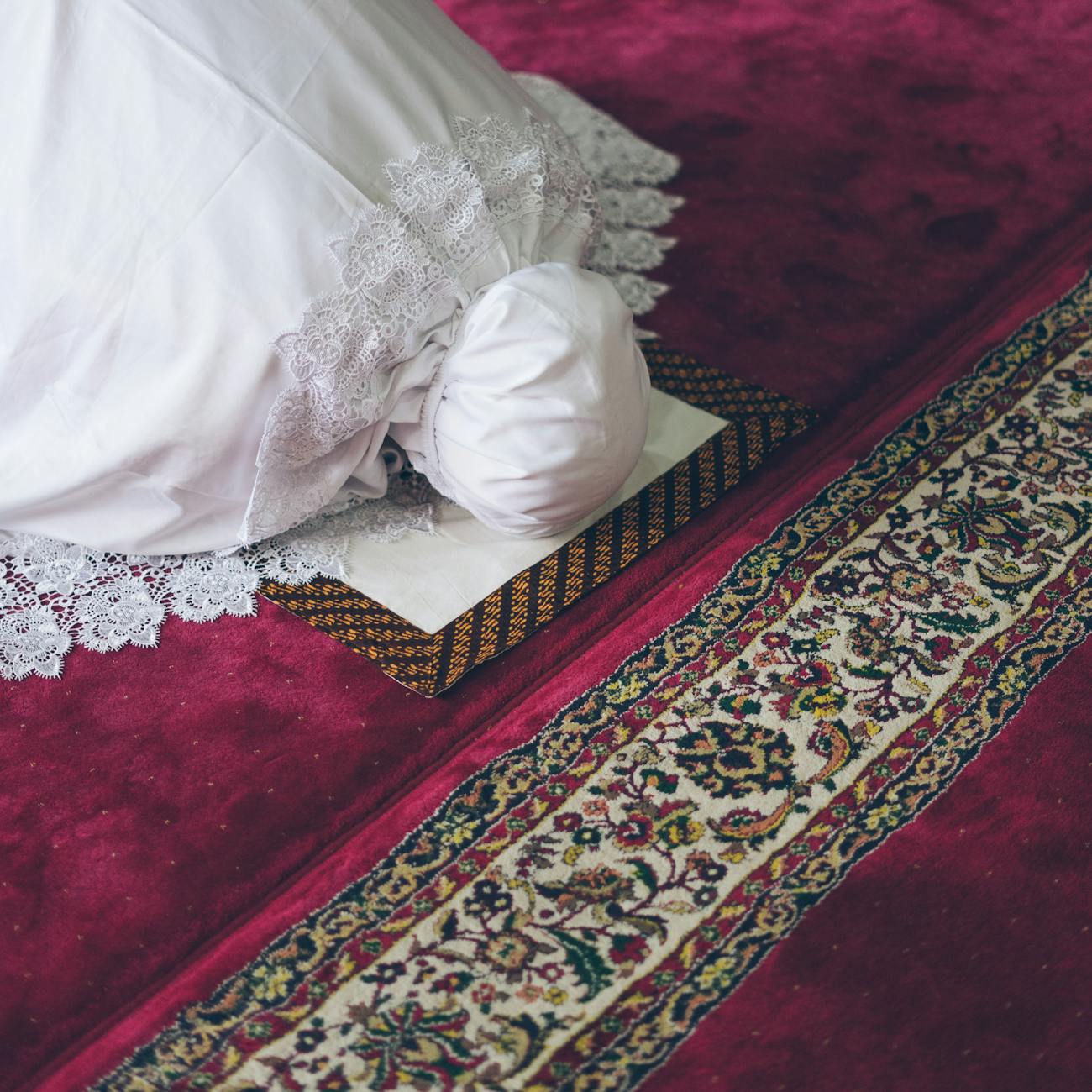
Religious and Spiritual Diversity Glossary #
Religious and Spiritual Diversity Glossary
Agnosticism #
A belief that the existence of a higher power or deity is unknown or unknowable #
Agnostics neither believe nor disbelieve in the existence of a god or gods.
Atheism #
The absence of belief in the existence of deities #
Atheists do not believe in the existence of any gods.
Baha'i Faith #
A monotheistic religion that emphasizes the spiritual unity of all humankind #
Baha'is believe in the essential worth of all religions and in the oneness of humanity.
Baptism #
A Christian sacrament of initiation and adoption, almost invariably with the use… #
A Christian sacrament of initiation and adoption, almost invariably with the use of water, into the Christian Church generally.
Buddhism #
A religion or philosophy that encompasses a variety of traditions, beliefs, and… #
A religion or philosophy that encompasses a variety of traditions, beliefs, and practices largely based on the teachings of Siddhartha Gautama, known as the Buddha.
Christianity #
A monotheistic religion based on the life and teachings of Jesus Christ #
Christians believe that Jesus is the Son of God and the savior of humanity.
Church #
A building used for public Christian worship #
A building used for public Christian worship.
Circumcision #
The act of removing the foreskin from the human penis #
It is commonly practiced in Judaism and Islam.
Clergy #
Religious officials such as priests, ministers, or rabbis who perform religious… #
Religious officials such as priests, ministers, or rabbis who perform religious ceremonies and provide spiritual guidance to their communities.
Conversion #
The process of changing one's religious beliefs or affiliation #
Conversion can involve a formal ceremony or a personal decision.
Covenant #
A sacred agreement or contract between God and his people #
In Judaism, the covenant is established through the Torah.
Denomination #
A subgroup within a religion that has its own distinctive beliefs, practices, an… #
Examples include Catholicism, Protestantism, and Eastern Orthodoxy within Christianity.
Diwali #
A Hindu festival of lights celebrated every autumn #
It symbolizes the victory of light over darkness and good over evil.
Diversity #
The range of differences among people, including but not limited to race, ethnic… #
The range of differences among people, including but not limited to race, ethnicity, gender, sexual orientation, and religious beliefs.
Doctrine #
A set of beliefs or teachings held and taught by a religious group #
Doctrines often serve as the foundation for religious practices and rituals.
Easter #
A Christian holiday that celebrates the resurrection of Jesus Christ from the de… #
It is considered the most important event in Christian theology.
Ecumenism #
The promotion of cooperation and unity among different Christian denominations #
Ecumenism seeks to overcome divisions and foster dialogue between churches.
Equality #
The state of being equal, especially in status, rights, and opportunities #
Equality is a fundamental principle in many religious and spiritual traditions.
Fasting #
The act of abstaining from food or drink for a period of time #
Fasting is practiced in many religious traditions as a form of spiritual discipline.
God #
The supreme being or deity in monotheistic religions #
God is often believed to be all-powerful, all-knowing, and all-loving.
Guru #
A spiritual teacher or guide in Hinduism, Buddhism, and Sikhism #
Gurus are revered for their wisdom, teachings, and ability to lead others on the spiritual path.
Hajj #
The annual pilgrimage to Mecca that all Muslims are required to make at least on… #
The Hajj is one of the Five Pillars of Islam.
Hanukkah #
A Jewish holiday that commemorates the rededication of the Second Temple in Jeru… #
It is also known as the Festival of Lights.
Hinduism #
The oldest religion in the world, with a rich tapestry of beliefs, practices, an… #
Hinduism is based on the concept of dharma, karma, and moksha.
Humanism #
A philosophical and ethical stance that emphasizes the value and agency of human… #
Humanists reject supernatural beliefs and focus on reason and compassion.
Imam #
A prayer leader and religious authority in Islam #
Imams lead prayers, deliver sermons, and provide guidance to their communities.
Interfaith #
Involving or promoting understanding and cooperation between people of different… #
Interfaith dialogue seeks to build bridges between religious communities.
Jainism #
An ancient Indian religion that emphasizes non #
violence, compassion, and self-discipline. Jains believe in the principle of ahimsa, or non-harming.
Judaism #
A monotheistic religion that traces its origins to the covenant between God and… #
Judaism is based on the Torah and the teachings of the prophets.
Karma #
The concept of cause and effect in Hinduism, Buddhism, and Jainism #
Karma refers to the moral law of action and reaction that determines a person's destiny.
Mecca #
The holiest city in Islam, located in present #
day Saudi Arabia. Muslims face towards Mecca when they pray and perform the Hajj pilgrimage.
Meditation #
A practice of focusing the mind and achieving a heightened state of awareness #
Meditation is common in many religious traditions, including Buddhism and Hinduism.
Missionary #
A person who is sent on a religious mission to spread the teachings of a particu… #
Missionaries often work in foreign countries or among marginalized communities.
Mosque #
A place of worship for Muslims #
Mosques serve as centers of community life, prayer, and education in Islamic societies.
Om #
A sacred sound and spiritual symbol in Hinduism #
Om is believed to represent the essence of the universe and the ultimate reality.
Orthodox #
Adhering to traditional or conservative beliefs and practices within a religious… #
Orthodox Jews, Christians, and Muslims emphasize fidelity to their respective teachings.
Pilgrimage #
A journey to a sacred place or shrine for religious reasons #
Pilgrimages are common in many religious traditions as a way of seeking spiritual growth and blessings.
Prayer #
A form of communication with a deity or higher power #
Prayer can take many forms, including supplication, thanksgiving, and meditation.
Prophet #
A person believed to have been chosen by God to deliver messages or teachings to… #
Prophets play a central role in many religious traditions.
Quran #
The holy book of Islam, believed by Muslims to be the literal word of God as rev… #
The Quran serves as a guide for moral and spiritual life.
Reincarnation #
The belief that the soul or spirit is reborn into a new body after death #
Reincarnation is a central tenet of Hinduism, Buddhism, and other Eastern religions.
Relativism #
The belief that truth, morality, and knowledge are not absolute but dependent on… #
Relativism challenges the idea of universal standards.
Sabbath #
A day of rest and worship observed in Judaism and some Christian denominations #
The Sabbath is typically observed from Friday evening to Saturday evening.
Sacred #
Regarded with reverence and respect, often associated with religious beliefs or… #
Sacred objects, places, and texts are considered holy and set apart.
Sacrifice #
An offering or ritual act of giving up something valued for the sake of a higher… #
Sacrifices play a central role in many religious traditions.
Saint #
A person recognized as holy or virtuous in Christianity #
Saints are believed to have lived exemplary lives and are venerated for their intercession and miracles.
Salvation #
The deliverance from sin and its consequences, typically achieved through faith,… #
Salvation is a central concept in many religious traditions.
Sanskrit #
An ancient Indo #
European language used in Hinduism, Buddhism, and Jainism for sacred texts and rituals. Sanskrit is considered the language of the gods.
Sect #
A subgroup within a religious denomination that holds distinctive beliefs or pra… #
Sects may differ on theological, ethical, or organizational matters.
Sharia #
Islamic law derived from the Quran and the teachings of the Prophet Muhammad #
Sharia governs all aspects of Muslim life, including family, finance, and worship.
Sikhism #
A monotheistic religion founded in the Punjab region of India by Guru Nanak #
Sikhs believe in equality, service, and devotion to God.
Spirituality #
The quality or state of being concerned with the human spirit or soul #
Spirituality often involves seeking meaning, purpose, and connection to something greater than oneself.
Sufism #
A mystical branch of Islam that emphasizes the inner, spiritual dimension of the… #
Sufis seek direct experience of the divine through practices such as meditation and chanting.
Synagogue #
A place of worship and community gathering for Jews #
Synagogues serve as centers of prayer, study, and social life in Jewish communities.
Temple #
A building or complex dedicated to religious worship and rituals #
Temples are found in many religious traditions, including Hinduism, Buddhism, and Sikhism.
Ten Commandments #
A set of ethical and moral principles given by God to Moses on Mount Sinai #
The Ten Commandments are central to Judaism and Christianity.
Theology #
The study of the nature of God and religious beliefs #
Theology seeks to understand the meaning and significance of faith through reason and reflection.
Tolerance #
The acceptance and respect of differences, especially in beliefs and practices #
Tolerance is essential for promoting harmony and understanding in diverse societies.
Unity #
The state of being united or joined as a whole #
Unity is a common goal in many religious and spiritual traditions, emphasizing peace, love, and cooperation.
Vedas #
A collection of ancient Hindu scriptures that form the foundation of Hindu philo… #
The Vedas are considered the oldest sacred texts in India.
Yoga #
A system of physical, mental, and spiritual practices originating in ancient Ind… #
Yoga aims to promote health, well-being, and self-realization through postures, breathing, and meditation.
Zen #
A school of Buddhism that emphasizes meditation, mindfulness, and direct experie… #
Zen seeks to awaken practitioners to their true nature through intuitive insight.