
Genotype-Phenotype Associations
Expert-defined terms from the Postgraduate Certificate in Livestock Genomic Breeding course at London School of Planning and Management. Free to read, free to share, paired with a professional course.
Genotype #
Phenotype Associations
Genotype #
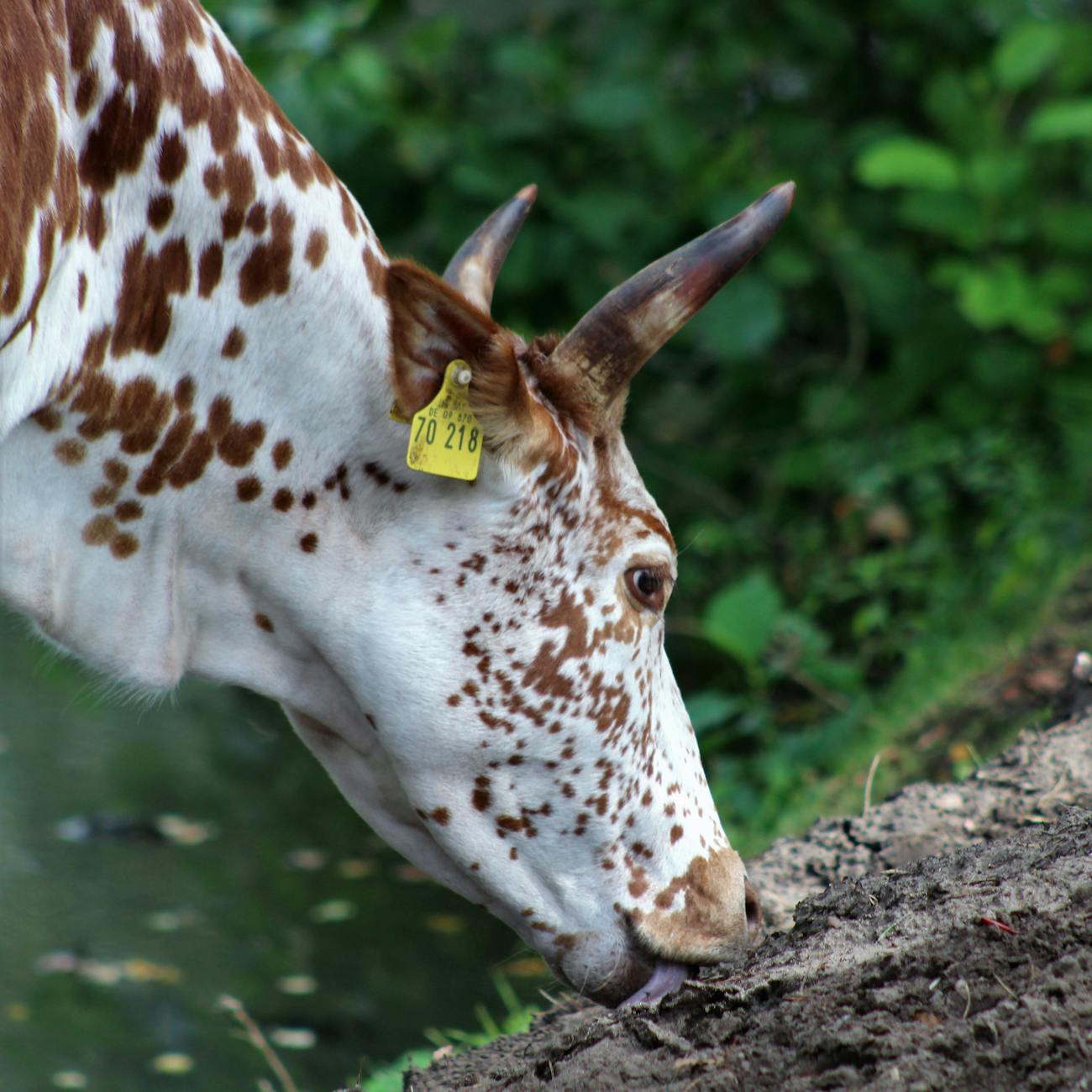
Phenotype Associations refer to the relationship between an organism's genetic makeup (genotype) and its observable characteristics or traits (phenotype). This concept is fundamental in livestock genomic breeding as it helps breeders understand how specific genetic variations influence the physical appearance, performance, and health of animals. By studying these associations, breeders can make informed decisions to improve desirable traits in livestock populations.
Genotype #
phenotype associations are crucial for identifying genetic markers associated with traits of interest, predicting an animal's phenotype based on its genotype, and selecting individuals with superior genetic potential for breeding purposes. Understanding these associations allows breeders to accelerate genetic progress, enhance animal productivity, and improve overall herd quality.
- Genetic Marker: A specific DNA sequence with a known location on a chromosome,… #
- Genetic Marker: A specific DNA sequence with a known location on a chromosome, often used to track the inheritance of a particular trait.
- Quantitative Trait Locus (QTL): A region of the genome that is associated with… #
- Quantitative Trait Locus (QTL): A region of the genome that is associated with variation in a quantitative trait, such as milk yield or growth rate.
- Single Nucleotide Polymorphism (SNP): A DNA sequence variation at a single nuc… #
- Single Nucleotide Polymorphism (SNP): A DNA sequence variation at a single nucleotide position, commonly used as genetic markers in association studies.
Example: #
Example:
In dairy cattle breeding, researchers have identified a genotype #
phenotype association between a specific SNP in the beta-casein gene and milk protein content. Cows carrying the favorable genotype for this SNP tend to produce higher levels of protein in their milk, leading to increased dairy product quality.
Practical Applications: #
Practical Applications:
1. Marker #
Assisted Selection: Breeders can use genotype-phenotype associations to select animals with desirable traits more efficiently by genotyping individuals for specific markers associated with those traits.
2. Genomic Prediction #
By leveraging genotype-phenotype associations, researchers can develop genomic prediction models to estimate an animal's genetic merit for various traits before they are phenotypically expressed.
3. Breeding Program Design #
Understanding genotype-phenotype associations allows breeders to design more effective breeding programs aimed at improving specific traits within a population.
Challenges: #
Challenges:
1. Complex Traits #
Some traits, such as disease resistance or reproductive performance, are influenced by multiple genes and environmental factors, making it challenging to establish clear genotype-phenotype associations.
2. Genotype #
Environment Interactions: The expression of certain traits may vary depending on environmental factors, complicating the interpretation of genotype-phenotype associations.
3. Data Quality #
Accurate phenotypic data collection and genotyping are essential for studying genotype-phenotype associations, and poor data quality can lead to inaccurate results and conclusions.
Overall, genotype #
phenotype associations are a powerful tool in livestock genomic breeding, enabling breeders to make informed decisions that drive genetic improvement and enhance livestock production efficiency.