
Oral Appliance Therapy for Sleep Disorders
Expert-defined terms from the Professional Certificate in Sleep Medicine for Dentists course at London School of Planning and Management. Free to read, free to share, paired with a professional course.
Apnea – A complete cessation of airflow for at least 10 seconds during sl… #
Related terms: Obstructive sleep apnea (OSA), central sleep apnea (CSA). Explanation: In OSA the airway collapses, whereas in CSA the brain fails to signal breathing. Apnea episodes cause intermittent hypoxia, fragmented sleep, and can lead to cardiovascular strain. Example: A patient records a 45‑minute sleep study showing 30 apnea events per hour, yielding an AHI of 30. Practical application: Identifying apnea frequency guides the decision to prescribe an oral appliance versus CPAP. Challenges: Accurately distinguishing obstructive from central events without full polysomnography can be difficult, especially in patients with comorbidities.
Apnea‑Hypopnea Index (AHI) – The average number of apneas and hypopneas p… #
Related terms: Respiratory disturbance index (RDI), severity grading. Explanation: AHI is the primary metric for classifying OSA severity: Mild (5–15), moderate (15–30), severe (>30). It is calculated from polysomnography or home sleep testing data. Example: A patient’s home sleep test reports an AHI of 12, indicating mild OSA. Practical application: AHI determines eligibility for oral appliance therapy; many clinicians set a threshold (e.G., AHI ≤15) for appliance use. Challenges: Night‑to‑night variability and the influence of sleep position can lead to under‑ or over‑estimation of true severity.
Airway Resistance – The opposition to airflow within the upper respirator… #
Related terms: Upper airway collapsibility, pressure‑flow relationship. Explanation: Resistance increases when the airway lumen narrows, demanding greater inspiratory effort. Factors such as soft‑tissue volume, mandibular position, and nasal patency affect resistance. Example: A patient with nasal congestion exhibits higher airway resistance, worsening OSA symptoms. Practical application: Reducing resistance via mandibular advancement can improve airflow without the need for high CPAP pressures. Challenges: Quantifying resistance in a clinical setting often requires specialized equipment (e.G., Rhinomanometry), which many dental offices lack.
Anterior Bite Registration – The process of recording the maxillary‑mandi… #
Related terms: Centric relation record, mandibular advancement. Explanation: Accurate registration is essential for fabricating a mandibular advancement device (MAD) that maintains the desired protrusive position while preserving occlusal stability. Example: Using a silicone bite registration material, the clinician guides the patient to a 6 mm protrusion and captures the record. Practical application: The anterior record serves as the master model for laboratory technicians to construct the appliance. Challenges: Patient discomfort, gag reflex, and variability in muscle tone can affect reproducibility; repeated registrations may be needed.
Appliance Compliance – The degree to which a patient consistently uses a… #
Related terms: Adherence, usage monitoring, therapeutic efficacy. Explanation: Compliance directly influences treatment outcomes; low usage diminishes the reduction in AHI and symptom relief. Example: An objective compliance monitor shows the patient wears the device for an average of 4 hours per night, below the recommended 6‑hour minimum. Practical application: Educating patients on the health benefits and troubleshooting discomfort can improve compliance. Challenges: Subjective self‑reports often overestimate use; objective monitoring devices add cost and may be resisted by patients.
Cephalometric Analysis – A radiographic technique that evaluates skeletal… #
Related terms: Lateral cephalogram, airway space measurement, treatment planning. Explanation: Cephalometry helps identify anatomical contributors to OSA, such as a retrusive mandible or reduced posterior airway space, guiding appliance design. Example: A lateral cephalogram reveals a mandibular plane angle of 30° and a posterior airway space of 8 mm, suggesting a need for mandibular advancement. Practical application: The analysis informs the amount of protrusion required and predicts potential side effects like incisor proclination. Challenges: Two‑dimensional images cannot capture volumetric changes; reliance on cephalometry alone may miss dynamic airway collapse patterns.
Centric Relation (CR) – The maxillomandibular position where the condyles… #
Related terms: CR record, mandibular positioning, occlusal stability. Explanation: Recording CR provides a reproducible mandibular position for appliance fabrication, ensuring that the device does not force the mandible into an unnatural posture. Example: A clinician uses a gothic arch tracer to capture the patient’s CR before advancing the mandible 5 mm. Practical application: Maintaining CR during treatment helps prevent temporomandibular joint (TMJ) stress and occlusal changes. Challenges: Patients with TMJ disorders may have difficulty achieving a stable CR, necessitating alternative recording methods.
Compliance Monitoring – The use of objective tools to track the duration… #
Related terms: Thermal microsensor, data logger, adherence assessment. Explanation: Modern appliances may incorporate a tiny temperature‑sensing chip that records nightly wear time, providing clinicians with verifiable data. Example: A patient’s compliance report shows 85% of nights with ≥6 hours of use over a 30‑day period. Practical application: Objective data guides follow‑up appointments, allowing clinicians to address barriers to use early. Challenges: Sensor malfunction, data interpretation errors, and patient privacy concerns can limit the utility of compliance monitoring.
Dental Sleep Medicine – The interdisciplinary field that integrates denti… #
Related terms: Oral appliance therapy, multidisciplinary collaboration, certification. Explanation: Dentists trained in sleep medicine assess airway anatomy, fabricate oral appliances, and collaborate with physicians for comprehensive care. Example: A certified dentist works with a pulmonologist to adjust CPAP pressure after the patient reports residual snoring despite appliance use. Practical application: Integration improves patient outcomes by ensuring that oral appliance therapy aligns with overall sleep health strategies. Challenges: Limited access to sleep specialists, reimbursement issues, and the need for continued education can hinder widespread adoption.
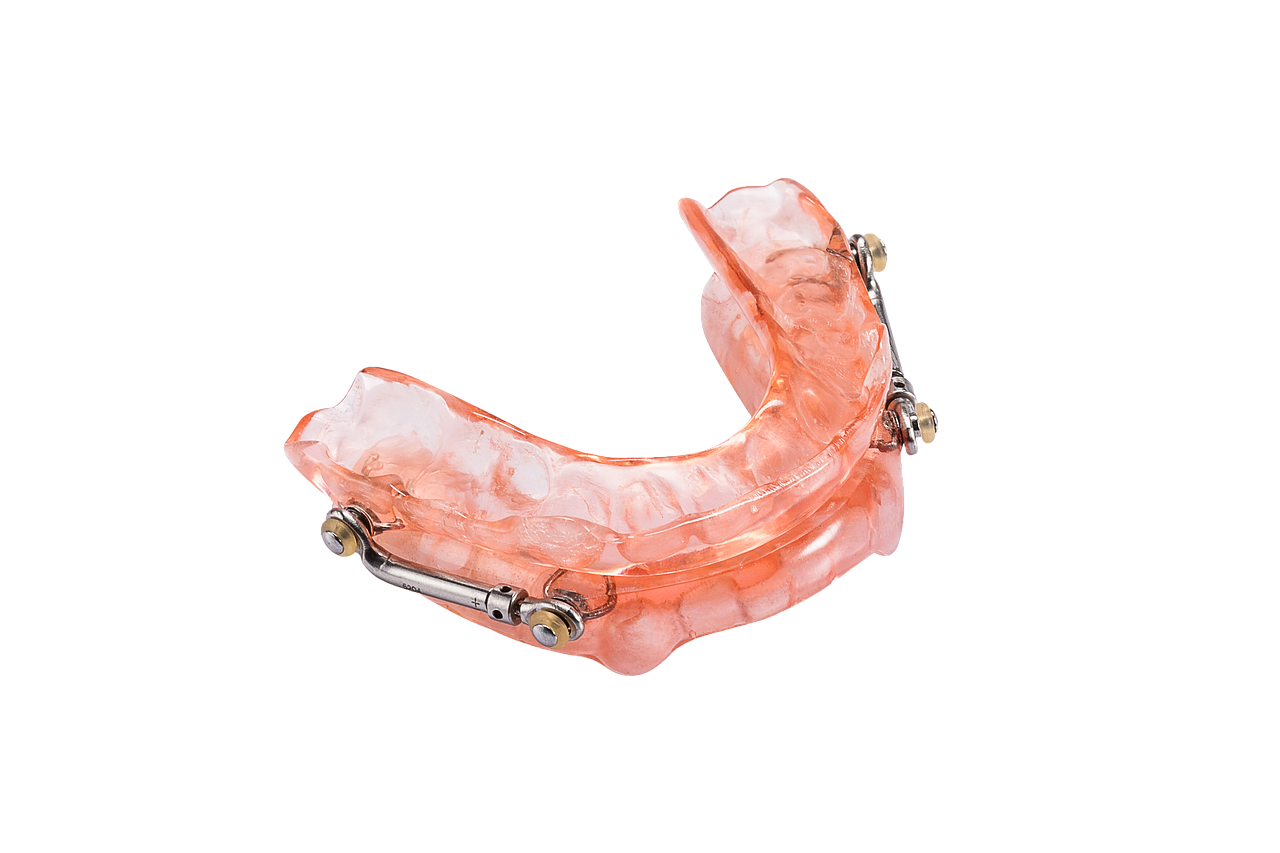
Dental Sleep Appliance – A custom‑fabricated intraoral device designed to… #
Related terms: Mandibular advancement device (MAD), tongue‑retaining device (TRD), titratable appliance. Explanation: Appliances differ in design (monoblock vs. Two‑piece), adjustability, and material composition, influencing comfort and efficacy. Example: A titratable MAD allows incremental advancement of 1 mm per visit, facilitating gradual adaptation. Practical application: Selecting the appropriate appliance type based on patient anatomy, severity of OSA, and tolerance improves success rates. Challenges: Fabrication errors, material fatigue, and patient‑specific anatomical constraints may limit effectiveness.
Efficacy – The ability of an oral appliance to achieve a clinically meani… #
Related terms: Therapeutic success, treatment outcome, AHI reduction. Explanation: Efficacy is often measured by the percentage decrease in AHI (e.G., ≥50% Reduction) and by symptom improvement (e.G., Daytime sleepiness). Example: A study reports that 70% of participants experienced a ≥50% AHI reduction after 3 months of MAD therapy. Practical application: Demonstrating efficacy supports insurance coverage and informs patient counseling. Challenges: Heterogeneity in study designs, short‑term follow‑up, and lack of standardized success criteria complicate comparisons across literature.
Elastomeric Material – A flexible polymer used in the construction of som… #
Related terms: Thermoplastic, silicone, material fatigue. Explanation: Elastomers can conform to the dentition while maintaining sufficient rigidity to hold the mandible in an advanced position. Example: A soft‑gel MAD made from medical‑grade silicone reduces pressure points in patients with sensitive gingiva. Practical application: Choosing elastomeric material for patients with high gag reflexes can improve tolerance. Challenges: Elastomers may lose dimensional stability over time, requiring periodic replacement.
Epworth Sleepiness Scale (ESS) – A self‑administered questionnaire that q… #
Related terms: Subjective sleepiness, screening tool, score interpretation. Explanation: Scores range from 0 to 24; values ≥10 suggest excessive daytime sleepiness and may indicate untreated OSA. Example: A patient scores 14 on the ESS, prompting further evaluation despite a modest AHI. Practical application: ESS scores are used to monitor treatment response; a post‑therapy reduction indicates symptom relief. Challenges: Cultural and individual differences can affect responses, and the scale does not differentiate between sleep disorders.
Etiology of Obstructive Sleep Apnea – The multifactorial causes contribut… #
Related terms: Anatomical factors, neuromuscular control, obesity. Explanation: Key contributors include craniofacial structure (e.G., Retrognathia), soft‑tissue hypertrophy, fat deposition around the neck, and reduced neuromuscular tone. Example: A patient with a large neck circumference and a narrow maxillary arch presents with moderate OSA. Practical application: Understanding etiology guides patient selection for oral appliance therapy versus alternative interventions. Challenges: Isolating the dominant factor is often complex; overlapping causes may necessitate combined therapies.
Force Distribution – The way mechanical loads are transmitted through an… #
Related terms: Occlusal load, stress concentration, appliance design. Explanation: Uneven force distribution can cause tooth movement, root resorption, or TMJ discomfort. Proper design balances forces across the arch. Example: A two‑piece MAD with anterior and posterior bite blocks spreads load evenly, minimizing incisor proclination. Practical application: Evaluating force distribution during appliance fabrication reduces the risk of iatrogenic dental changes. Challenges: Inadequate lab communication and lack of digital simulation tools may lead to suboptimal force management.
Hard Tissue – The mineralized structures of the oral cavity, primarily te… #
Related terms: Enamel, dentin, bone remodeling. Explanation: Oral appliances exert forces on hard tissue; long‑term use can induce orthodontic changes such as tooth migration or alveolar bone remodeling. Example: After 2 years of MAD therapy, a patient exhibits 1 mm of mandibular incisor retroclination. Practical application: Periodic radiographic assessment monitors hard‑tissue changes, allowing early intervention if undesirable movement occurs. Challenges: Distinguishing appliance‑induced changes from natural age‑related drift requires baseline records and longitudinal follow‑up.
Hypopnea – A partial reduction in airflow (≥30% decrease) lasting at leas… #
Related terms: Apnea, respiratory event, AHI component. Explanation: Hypopneas contribute to the AHI and reflect intermittent hypoxia, which can be as detrimental as full apneas. Example: A polysomnographic report documents 25 hypopneas per hour, elevating the overall AHI to 20. Practical application: Therapies that reduce hypopneas, such as mandibular advancement, improve oxygen saturation profiles. Challenges: Scoring criteria for hypopneas vary between laboratories, affecting the comparability of AHI values.
Intraoral Appliance – Any device placed inside the mouth to modify oral o… #
Related terms: Oral appliance therapy, mandibular advancement device, retention. Explanation: Intraoral appliances are fabricated from biocompatible materials and may be fixed or removable, titratable or static. Example: A custom tongue‑retaining device (TRD) holds the tongue forward, preventing posterior collapse in patients with a small mandible. Practical application: Selecting the appropriate intraoral appliance type depends on patient anatomy, tolerance, and severity of OSA. Challenges: TRDs can cause excessive salivation and tongue discomfort; patient acceptance rates are lower than for MADs.
Jaw Positioner – A device that holds the mandible in a forward position t… #
Related terms: Mandibular advancement device, protrusive therapy, titration. Explanation: Jaw positioners may be monoblock (single piece) or bi‑block (two pieces connected by a hinge or adjustable mechanism). Example: A bi‑block MAD allows incremental advancement of 2 mm, facilitating gradual adaptation. Practical application: Jaw positioners are the cornerstone of oral appliance therapy, offering a non‑invasive alternative to CPAP. Challenges: Over‑advancement can increase TMJ loading and cause muscle soreness; under‑advancement may be insufficient to reduce AHI.
Mandibular Advancement Device (MAD) – A specific type of intraoral applia… #
Related terms: Jaw positioner, titratable device, oral appliance therapy. Explanation: MADs are fabricated from acrylic, thermoplastic, or silicone and may feature adjustable protrusion settings. Efficacy is linked to the amount of advancement (typically 5–10 mm). Example: A patient’s baseline AHI of 18 drops to 7 after a 7 mm mandibular advancement using a titratable MAD. Practical application: MADs are indicated for mild‑to‑moderate OSA and for patients who cannot tolerate CPAP. Challenges: Determining the optimal advancement without causing excessive bite changes or TMJ discomfort requires careful titration and follow‑up.
Mandibular Advancement – The forward displacement of the lower jaw relati… #
Related terms: Protrusion, mandibular repositioning, airway enlargement. Explanation: Advancing the mandible stretches the soft palate and tongue muscles, reducing airway collapsibility. The degree of advancement correlates with airway patency but also with potential side effects. Example: A 6 mm advancement yields a 30% increase in the cross‑sectional area of the velopharynx measured on MRI. Practical application: Clinicians use a bite‑fork or a titration device to achieve the desired advancement during appliance fitting. Challenges: Excessive advancement may lead to tooth mobility, occlusal alteration, or TMJ strain; patient comfort limits the maximum feasible protrusion.
Maxillary Expansion – The widening of the upper dental arch, often achiev… #
Related terms: Transverse deficiency, airway volume, orthodontic adjunct. Explanation: Expanding the maxilla can increase nasal airway volume, reduce nasal resistance, and indirectly improve OSA severity. Example: A 3‑year‑old child with a narrow palate undergoes RPE therapy, resulting in a 2 mm increase in nasal airway cross‑section. Practical application: In adult patients, surgically assisted rapid palatal expansion (SARPE) may be combined with a MAD to address both transverse and anteroposterior deficiencies. Challenges: Skeletal resistance in adults may require surgical assistance; relapse can occur if retention protocols are not followed.
Nighttime Use – The period during which a patient wears the oral applianc… #
Related terms: Wear time, compliance, sleep duration. Explanation: Consistent nighttime use is essential for achieving therapeutic benefit. Factors influencing use include comfort, gag reflex, and perceived effectiveness. Example: A patient reports wearing the device for the entire 8‑hour sleep period, but objective data shows an average of 5 hours. Practical application: Counseling on the importance of full‑night wear and troubleshooting fit issues can enhance nighttime use. Challenges: Patients may remove the appliance due to dryness, discomfort, or partner interference, reducing overall efficacy.
Oral Appliance Therapy (OAT) – The use of custom‑fabricated intraoral dev… #
Related terms: Mandibular advancement device, titration protocol, multidisciplinary care. Explanation: OAT aims to maintain airway patency by repositioning the mandible or tongue, thereby reducing apnea and hypopnea events. Success depends on proper patient selection, appliance design, and follow‑up. Example: A certified dentist initiates OAT for a patient with an AHI of 10, achieving a post‑treatment AHI of 4 after 3 months. Practical application: OAT can improve quality of life, reduce cardiovascular risk, and serve as an alternative to CPAP for suitable candidates. Challenges: Limited efficacy in severe OSA, need for regular adjustments, and potential dental side effects require ongoing monitoring.
Patient Selection – The systematic process of identifying individuals who… #
Related terms: Screening criteria, contraindications, severity thresholds. Explanation: Ideal candidates typically have mild‑to‑moderate OSA, sufficient dentition, acceptable oral health, and the ability to tolerate mandibular advancement. Contraindications include severe periodontal disease, insufficient teeth, and TMJ pathology. Example: A dentist conducts a comprehensive exam, confirming the patient has at least 10 stable teeth per arch and no active caries, deeming them suitable for OAT. Practical application: Structured selection protocols improve treatment success rates and reduce the likelihood of adverse events. Challenges: Subjectivity in assessing “sufficient dentition” and the need for collaboration with sleep physicians to confirm diagnosis.
Polysomnography (PSG) – The gold‑standard overnight sleep study that reco… #
Related terms: Sleep study, diagnostic gold standard, AHI calculation. Explanation: PSG provides a comprehensive assessment of sleep architecture and respiratory events, allowing accurate OSA severity grading. Example: A full‑night PSG reveals an AHI of 28, with a predominance of supine‑related events. Practical application: Baseline PSG data guide treatment planning and serve as a benchmark for evaluating oral appliance efficacy. Challenges: High cost, limited availability, and patient inconvenience may lead clinicians to rely on home sleep testing, which may miss subtle events.
Positional Therapy – A strategy that encourages patients to avoid supine… #
Related terms: Supine‑related OSA, positional device, combination therapy. Explanation: Many patients exhibit a lower AHI when sleeping laterally; positional therapy can be used alone or alongside an oral appliance to enhance outcomes. Example: A patient with a supine AHI of 20 and lateral AHI of 5 uses a positional pillow, resulting in a 40% overall AHI reduction. Practical application: Incorporating positional cues into OAT protocols can improve efficacy for patients with positional OSA. Challenges: Patient adherence to positional cues is variable; devices may be uncomfortable or cause sleep disruption.
Retention – The period after appliance placement during which the device… #
Related terms: Stability, maintenance phase, follow‑up schedule. Explanation: Retention allows soft tissues and neuromuscular patterns to adapt to the new mandibular position, reducing the risk of regression after adjustments. Example: A patient continues to wear the MAD nightly for 6 weeks after achieving target AHI reduction before initiating a “night‑off” trial. Practical application: Structured retention protocols support long‑term success and help identify any late‑emerging side effects. Challenges: Determining the optimal retention duration is individualized; premature discontinuation may lead to rebound OSA.
Side Effects – Unintended consequences of oral appliance therapy that may… #
Related terms: Tooth movement, occlusal changes, TMJ discomfort. Explanation: Common side effects include incisor proclination, posterior open bite, increased salivation, and mild jaw soreness. Most are reversible with proper management. Example: After 12 months of MAD use, a patient shows 1.5 Mm of mandibular incisor retroclination, corrected by minor orthodontic adjustment. Practical application: Monitoring for side effects at each follow‑up visit enables early intervention and maintains patient confidence. Challenges: Some changes may be subtle and require radiographic comparison; patients may under‑report discomfort.
Sleep Architecture – The cyclical pattern of sleep stages (N1, N2, N3, RE… #
Related terms: Sleep stages, REM sleep, sleep fragmentation. Explanation: OSA disrupts normal sleep architecture by causing frequent arousals, reducing restorative deep sleep and REM phases. Effective OAT should restore a more normalized pattern. Example: A baseline PSG shows 30% REM sleep; after MAD therapy, REM proportion increases to 22%, reflecting improved continuity. Practical application: Evaluating changes in sleep architecture provides an objective measure of therapeutic benefit beyond AHI reduction. Challenges: Minor improvements in AHI may not translate into significant architecture restoration; individual variability is high.
Sleep Study – Any diagnostic evaluation that records physiological parame… #
Related terms: Polysomnography, home sleep test, diagnostic accuracy. Explanation: Sleep studies quantify apnea and hypopnea events, oxygen desaturation, and sleep stage distribution, forming the basis for OSA diagnosis and treatment planning. Example: An HST performed at home reports an AHI of 9, confirming mild OSA and supporting the initiation of OAT. Practical application: Selecting the appropriate study type balances diagnostic precision with patient convenience and cost. Challenges: Home studies may underestimate AHI in patients with comorbid insomnia or irregular sleep patterns.
Stability – The ability of an oral appliance to maintain its intended pos… #
Related terms: Retention, material fatigue, appliance wear. Explanation: Stable appliances resist deformation, maintain protrusive settings, and preserve occlusal contacts throughout the night. Example: A bi‑block MAD with a stainless‑steel hinge demonstrates minimal wear after 2 years of nightly use. Practical application: Choosing durable materials and designing adjustable mechanisms enhance long‑term stability. Challenges: Repeated adjustments can loosen screws; patient habits such as grinding may accelerate wear.
Therapeutic Titration – The systematic adjustment of mandibular advanceme… #
Related terms: Incremental advancement, titratable device, follow‑up protocol. Explanation: Titration typically begins with a modest protrusion (e.G., 50% Of maximum comfortable advancement) and progresses in 1‑2 mm increments based on symptom feedback and repeat sleep testing. Example: After three titration visits, a patient’s MAD is set at 8 mm advancement, resulting in an AHI drop from 22 to 6. Practical application: Structured titration protocols improve success rates and patient satisfaction. Challenges: Over‑advancement can cause TMJ pain; under‑advancement may leave residual OSA, requiring careful balance.
Treatment Efficacy – The overall success of oral appliance therapy in red… #
Related terms: Clinical outcome, success criteria, patient‑reported outcomes. Explanation: Efficacy is assessed through objective metrics (AHI reduction, oxygen saturation) and subjective measures (ESS score, snoring intensity). Example: A cohort study reports a mean AHI reduction of 65% and an average ESS decrease of 5 points after 6 months of MAD therapy. Practical application: Demonstrating high efficacy supports the inclusion of OAT in clinical guidelines and insurance reimbursement policies. Challenges: Heterogeneity in patient response, limited long‑term data, and varying definitions of “success” complicate efficacy evaluation.
Upper Airway – The anatomical passage extending from the nasal cavity and… #
Related terms: Retropalatal space, velopharynx, airway collapsibility. Explanation: The size and compliance of the upper airway determine susceptibility to obstruction during sleep; mandibular advancement enlarges the retropalatal airway. Example: MRI imaging shows a 25% increase in the cross‑sectional area of the oropharynx after 6 mm mandibular advancement. Practical application: Understanding upper airway anatomy informs appliance design and predicts treatment response. Challenges: Dynamic airway collapse may not be fully captured by static imaging, necessitating functional assessments.
Vertical Opening – The increase in the distance between the maxillary and… #
Related terms: Open bite, mandibular rotation, appliance design. Explanation: Excessive vertical opening can lead to posterior open bite and compromise appliance stability; careful control of vertical dimension is essential. Example: A patient experiences a 3 mm increase in vertical opening after MAD placement, resulting in discomfort and reduced compliance. Practical application: Using a bite‑plane or adjusting the appliance to limit vertical opening helps maintain comfort and occlusal integrity. Challenges: Individual variation in mandibular rotation makes standardized vertical control difficult; frequent adjustments may be required.