
Infectious Disease Control and Prevention
Expert-defined terms from the Global Certificate Course in Public Health and Sanitation on Cruise Ships course at London School of Planning and Management. Free to read, free to share, paired with a professional course.
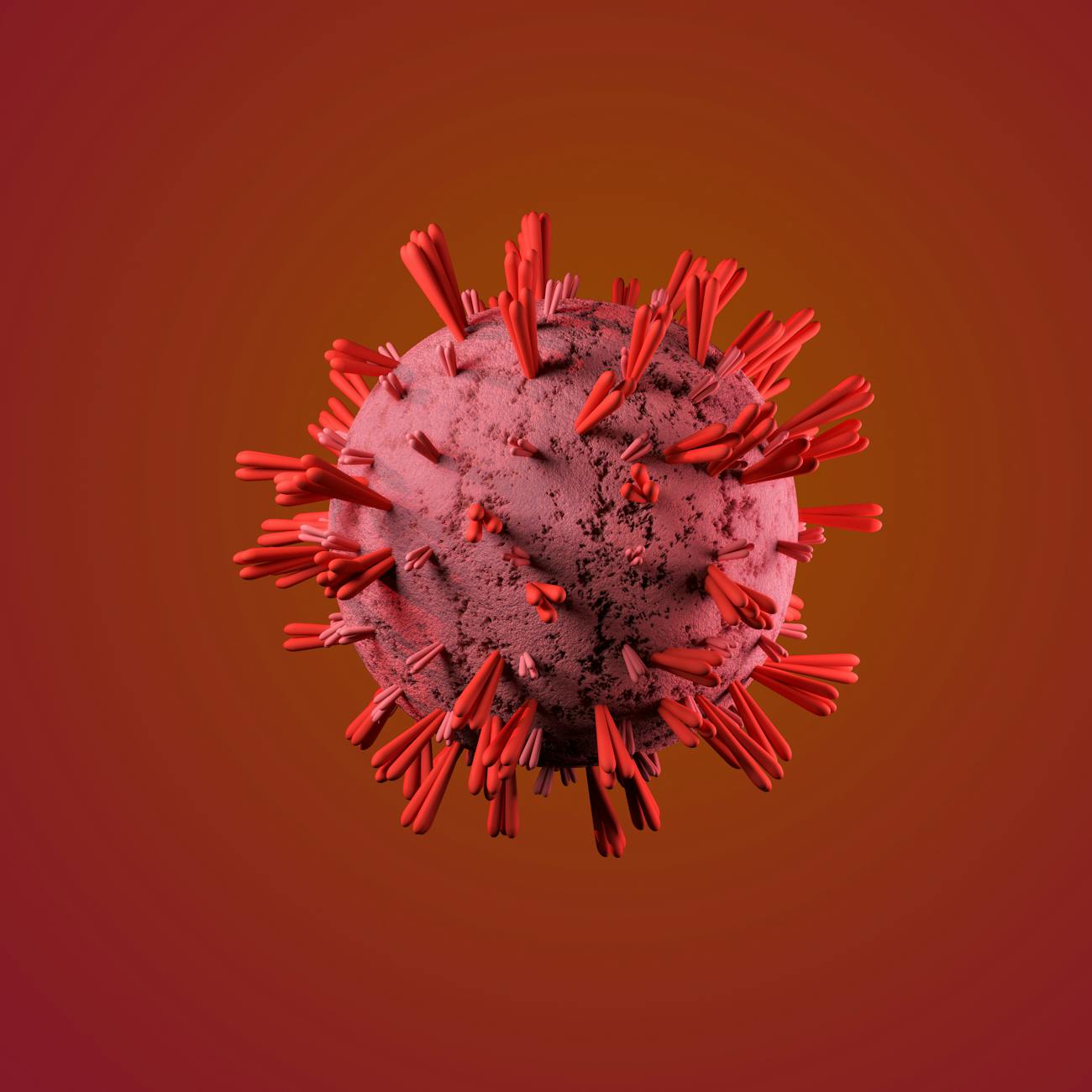
Infectious Disease Control and Prevention #
Infectious Disease Control and Prevention
Infectious Disease Control and Prevention is a critical aspect of public health… #
This includes surveillance, prevention measures, outbreak response, and education to protect individuals and communities from infectious diseases on cruise ships.
Acute Respiratory Infection (ARI) #
Acute Respiratory Infection (ARI)
An Acute Respiratory Infection is a contagious infection that affects the respir… #
ARIs can be caused by viruses or bacteria and can spread easily among cruise ship passengers and crew members.
Antibiotic Resistance #
Antibiotic Resistance
Antibiotic Resistance occurs when bacteria develop the ability to resist the eff… #
Antibiotic resistance is a growing concern in infectious disease control and prevention on cruise ships, as overuse and misuse of antibiotics can contribute to the development of resistant bacteria.
Antimicrobial Resistance (AMR) #
Antimicrobial Resistance (AMR)
Antimicrobial Resistance refers to the ability of microorganisms such as bacteri… #
AMR is a global health threat that can make common infections harder to treat and increase the risk of spreading infectious diseases on cruise ships.
Center for Disease Control and Prevention (CDC) #
Center for Disease Control and Prevention (CDC)
The Center for Disease Control and Prevention is a national public health instit… #
The CDC provides guidance and resources for infectious disease control and prevention on cruise ships to ensure the health and safety of passengers and crew members.
Communicable Disease #
Communicable Disease
A Communicable Disease is an infectious disease that can be transmitted from one… #
Communicable diseases pose a significant risk on cruise ships due to the close quarters and high passenger turnover, making it essential to implement effective control and prevention measures.
Contact Precautions #
Contact Precautions
Contact Precautions are infection control measures taken to prevent the transmis… #
On cruise ships, contact precautions may include wearing gloves, gowns, and masks when caring for passengers with communicable diseases to reduce the risk of spread.
Contagious #
Contagious
Contagious refers to the ability of a disease to spread from one person to anoth… #
Contagious diseases are a significant concern on cruise ships, as the close quarters and shared facilities can facilitate the rapid spread of infections among passengers and crew members.
Disinfection #
Disinfection
Disinfection is the process of eliminating or reducing the number of microorgani… #
Proper disinfection practices are essential on cruise ships to maintain a clean and hygienic environment and reduce the risk of outbreaks.
Endemic #
Endemic
Endemic refers to the constant presence or usual prevalence of a disease within… #
Endemic diseases may be regularly seen on cruise ships that travel to regions where certain infectious diseases are prevalent, requiring specific control and prevention measures to protect passengers and crew members.
Epidemic #
Epidemic
An Epidemic is the rapid spread of an infectious disease within a specific popul… #
Epidemics can pose a significant threat on cruise ships, where close quarters and shared facilities can facilitate the rapid transmission of infections among passengers and crew members.
Health Screening #
Health Screening
Health Screening is the process of assessing individuals for signs and symptoms… #
Health screening measures may include temperature checks, symptom questionnaires, and medical evaluations to identify and isolate potentially infected individuals.
Immunization #
Immunization
Immunization is the process of protecting individuals from infectious diseases b… #
Immunization is a critical component of infectious disease control and prevention on cruise ships to reduce the risk of outbreaks and protect the health of passengers and crew members.
Infection Control #
Infection Control
Infection Control refers to the practices and procedures implemented to prevent… #
Effective infection control measures include hand hygiene, personal protective equipment, disinfection, and isolation to reduce the risk of transmission and protect the health of individuals.
Infectious Disease #
Infectious Disease
An Infectious Disease is a disorder caused by pathogenic microorganisms such as… #
Infectious diseases are a significant concern on cruise ships due to the potential for outbreaks and the need for effective control and prevention strategies.
Isolation #
Isolation
Isolation is the separation of individuals who have a contagious disease from th… #
Isolation measures may be implemented on cruise ships to contain outbreaks and protect the health of passengers and crew members by limiting contact with infected individuals.
Outbreak #
Outbreak
An Outbreak is the occurrence of cases of a particular infectious disease in a s… #
Outbreaks can occur on cruise ships due to the close quarters and shared facilities, requiring swift and effective response measures to control the spread of infections and protect the health of individuals.
Pandemic #
Pandemic
A Pandemic is an epidemic that spreads across multiple countries or continents,… #
Pandemics can have significant implications for cruise ships, as the global nature of travel can facilitate the rapid spread of infectious diseases among passengers and crew members, requiring coordinated international efforts for control and prevention.
Personal Protective Equipment (PPE) #
Personal Protective Equipment (PPE)
Personal Protective Equipment is specialized clothing or gear worn by individual… #
PPE such as gloves, masks, gowns, and goggles are essential on cruise ships to prevent the transmission of infections and ensure the safety of passengers and crew members.
Quarantine #
Quarantine
Quarantine is the restriction of activities or separation of individuals who may… #
Quarantine measures may be implemented on cruise ships to isolate individuals with symptoms or known exposure to infectious diseases until they can be evaluated and cleared to prevent outbreaks.
Respiratory Hygiene/Cough Etiquette #
Respiratory Hygiene/Cough Etiquette
Respiratory Hygiene/Cough Etiquette refers to the practice of covering the mouth… #
Promoting respiratory hygiene and cough etiquette on cruise ships can help reduce the risk of transmission of respiratory infections among passengers and crew members.
Surveillance #
Surveillance
Surveillance is the systematic collection, analysis, and interpretation of data… #
Surveillance plays a crucial role in infectious disease control and prevention on cruise ships by providing real-time information to identify and respond to potential threats.
Vector #
Borne Disease
A Vector #
Borne Disease is an infectious disease transmitted to humans through the bite of a vector such as mosquitoes, ticks, or flies. Vector-borne diseases can pose a risk on cruise ships traveling to regions where these vectors are prevalent, requiring specific control and prevention measures to protect passengers and crew members from infections.
Viral Gastroenteritis #
Viral Gastroenteritis
Viral Gastroenteritis is a common infection of the stomach and intestines caused… #
Viral gastroenteritis can spread quickly on cruise ships through contaminated food, water, or surfaces, leading to outbreaks of nausea, vomiting, and diarrhea among passengers and crew members.
Waterborne Disease #
Waterborne Disease
A Waterborne Disease is an infectious disease transmitted through contaminated w… #
Waterborne diseases can pose a risk on cruise ships if proper water treatment and sanitation practices are not followed, leading to outbreaks of gastrointestinal infections among passengers and crew members.