
Aquatic Toxicology
Expert-defined terms from the Certified Professional in Ecotoxicology course at London School of Planning and Management. Free to read, free to share, paired with a professional course.
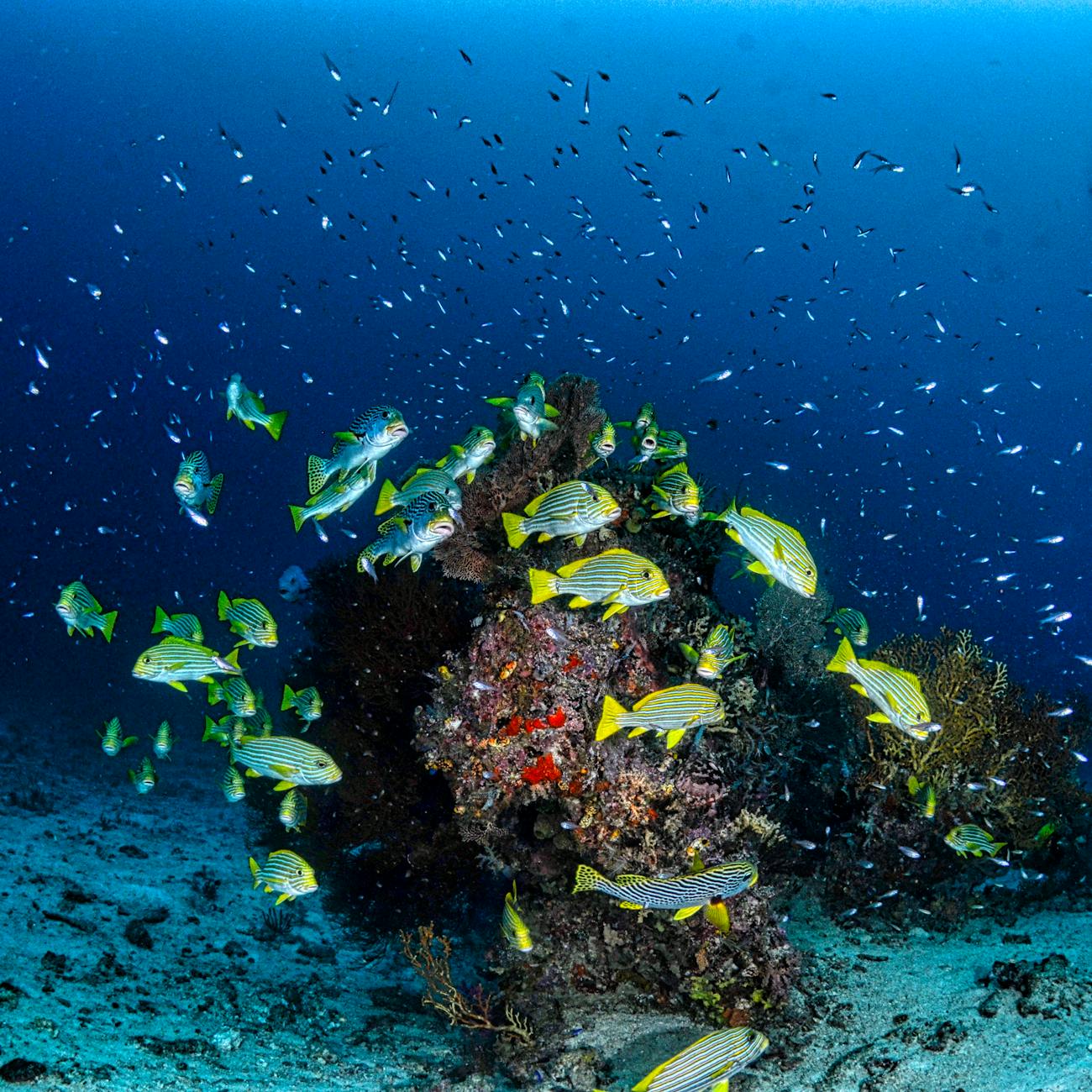
Aquatic Toxicology #
Aquatic toxicology is a branch of environmental toxicology that focuses on the s… #
It examines how pollutants, such as heavy metals, pesticides, and industrial chemicals, impact the health and survival of various aquatic species, including fish, invertebrates, and algae. Aquatic toxicology plays a crucial role in assessing the risks posed by contaminants to aquatic environments and in developing strategies to protect water quality and biodiversity.
Acute Toxicity #
Acute toxicity refers to the adverse effects of a toxic substance that occur sho… #
Acute toxicity tests are conducted to determine the lethal concentration of a chemical that causes mortality in a specified percentage of test organisms within a given time frame. These tests provide valuable information on the immediate impact of contaminants on aquatic organisms and help establish safe exposure limits.
Chronic Toxicity #
Chronic toxicity refers to the long #
term adverse effects of a toxic substance that occur over an extended period, such as weeks, months, or even years. Chronic toxicity tests assess the sublethal effects of contaminants on aquatic organisms, including growth, reproduction, behavior, and biochemical responses. Understanding chronic toxicity is essential for evaluating the overall impact of pollutants on aquatic ecosystems and predicting their long-term consequences.
Sublethal Effects #
Sublethal effects are non #
lethal adverse responses of organisms to toxic substances that may impair their health, physiology, behavior, or reproduction without causing immediate mortality. These effects can have significant implications for individual fitness, population dynamics, and ecosystem functioning. Examples of sublethal effects include reduced growth, altered feeding behavior, impaired reproduction, and changes in biochemical markers.
Endocrine Disruption #
Endocrine disruption refers to the interference of chemicals with the endocrine… #
Endocrine-disrupting chemicals (EDCs) can mimic, block, or interfere with natural hormones, disrupting normal physiological functions and causing reproductive, developmental, and behavioral abnormalities in aquatic species. Monitoring endocrine disruption is a critical aspect of aquatic toxicology to assess the risks posed by EDCs to aquatic organisms and ecosystems.
Bioaccumulation #
Bioaccumulation is the process by which organisms accumulate toxic substances fr… #
Contaminants such as heavy metals, persistent organic pollutants, and pesticides can bioaccumulate in aquatic organisms through ingestion, respiration, or dermal contact. Bioaccumulation can result in the magnification of pollutant levels in the food chain, leading to higher concentrations in predators than in their prey.
Biomagnification #
Biomagnification is the progressive increase in the concentrations of toxic subs… #
Bioaccumulated compounds such as mercury, polychlorinated biphenyls (PCBs), and dichlorodiphenyltrichloroethane (DDT) can biomagnify in aquatic ecosystems, reaching higher levels in top predators than in lower trophic levels. Biomagnification poses significant risks to aquatic organisms at higher trophic levels due to the accumulation of pollutants in their tissues.
Bioavailability #
Bioavailability is the proportion of a chemical that is available for uptake and… #
Factors such as chemical form, solubility, particle size, and environmental conditions influence the bioavailability of contaminants to aquatic organisms. Understanding bioavailability is crucial in assessing the potential risks of toxic substances to aquatic ecosystems and predicting their effects on biota.
Threshold Effect Concentration (TEC) #
The threshold effect concentration (TEC) is the concentration of a toxic substan… #
TEC represents the lowest concentration at which a significant response occurs, such as mortality, growth inhibition, or reproduction impairment. Determining TEC values through toxicity testing helps establish safe exposure limits for contaminants in aquatic environments and assess their potential impacts on sensitive species.
Median Lethal Concentration (LC50) #
The median lethal concentration (LC50) is the concentration of a toxic substance… #
LC50 values are commonly used in acute toxicity tests to evaluate the lethality of contaminants to aquatic organisms and determine their relative toxicities. Lower LC50 values indicate higher toxicity, while higher values indicate lower toxicity of a chemical to the test organisms.
Median Effective Concentration (EC50) #
The median effective concentration (EC50) is the concentration of a toxic substa… #
EC50 values are used in toxicity tests to assess the potency of contaminants in causing sublethal effects, such as growth inhibition, behavioral changes, or enzyme inhibition. Lower EC50 values indicate higher potency, while higher values indicate lower potency of a chemical in eliciting the desired effect.
NOEC (No #
Observed-Effect Concentration):
The No #
Observed-Effect Concentration (NOEC) is the highest tested concentration of a toxic substance at which no adverse effects are observed in test organisms during a specified exposure period. NOEC values are used to determine the threshold level below which a chemical does not cause significant toxicity to aquatic organisms. Comparing NOEC values with other toxicity endpoints helps assess the safety of contaminants in aquatic environments and establish regulatory guidelines.
LOEC (Lowest #
Observed-Effect Concentration):
The Lowest #
Observed-Effect Concentration (LOEC) is the lowest tested concentration of a toxic substance at which adverse effects are observed in test organisms during a specified exposure period. LOEC values indicate the onset of toxicity and provide important information on the sensitivity of organisms to contaminants. Monitoring LOEC values helps identify potential risks associated with chemical exposure and guide risk assessment and management strategies.
Microplastics #
Microplastics are small plastic particles less than 5 mm in size that are presen… #
Microplastics pose a significant threat to aquatic organisms, as they can be ingested by filter feeders, plankton, fish, and other marine species, leading to physical harm, blockage of digestive tracts, and transfer of toxic chemicals. Studying the effects of microplastics on aquatic ecosystems is a growing area of research in aquatic toxicology.
Hazard Quotient (HQ) #
The Hazard Quotient (HQ) is a ratio used to assess the potential risk of a chemi… #
HQ is calculated by dividing the predicted environmental concentration (PEC) of a contaminant by its predicted no-effect concentration (PNEC). An HQ greater than 1 indicates that the chemical may pose a risk to aquatic organisms, while an HQ less than 1 suggests a low risk of adverse effects. HQ values are used in ecological risk assessment to prioritize contaminants for further investigation and management.
Genotoxicity #
Genotoxicity refers to the ability of a chemical to damage the genetic material… #
Genotoxic compounds can cause heritable changes in aquatic species, affecting their growth, development, reproduction, and survival. Assessing genotoxicity is essential in aquatic toxicology to evaluate the potential long-term effects of contaminants on populations and ecosystems and to identify mutagenic substances that may pose risks to biodiversity.
Phytotoxicity #
Phytotoxicity is the toxic effect of chemicals on plants, algae, and other photo… #
Phytotoxic compounds can inhibit photosynthesis, growth, and nutrient uptake in aquatic plants, leading to reduced primary productivity and ecosystem functioning. Understanding phytotoxicity is essential in assessing the impacts of contaminants on aquatic vegetation, as plants play a critical role in nutrient cycling, habitat provision, and oxygen production in aquatic environments.
Microbial Toxicity #
Microbial toxicity refers to the adverse effects of chemicals on microbial commu… #
Microbes play a crucial role in nutrient cycling, organic matter decomposition, and water quality maintenance in aquatic ecosystems. Toxic substances can disrupt microbial processes, alter community composition, and impair ecosystem functions, such as nutrient recycling and pollutant degradation. Studying microbial toxicity helps assess the resilience of aquatic ecosystems to chemical stressors and develop sustainable management practices.
Sediment Toxicity #
Sediment toxicity refers to the adverse effects of contaminants present in sedim… #
Sediments act as sinks for pollutants, accumulating heavy metals, pesticides, and organic compounds over time. Toxic substances in sediments can pose risks to benthic communities through direct exposure, ingestion, or bioaccumulation, impacting their health, behavior, and reproduction. Assessing sediment toxicity is crucial in aquatic toxicology to evaluate the overall ecological risks of contaminants in aquatic ecosystems and protect benthic organisms.
Acidification #
Acidification is the process by which water bodies become more acidic due to the… #
Acidification can lower the pH of aquatic environments, affecting the solubility of metals, nutrient availability, and the health of aquatic organisms. Acidic waters can have detrimental effects on fish, invertebrates, and algae, leading to reduced biodiversity, impaired reproduction, and population declines. Monitoring and mitigating acidification are essential in aquatic toxicology to protect freshwater ecosystems and promote ecosystem health.
Eutrophication #
Eutrophication is the excessive nutrient enrichment of water bodies, typically f… #
Eutrophication can result in algal blooms, oxygen depletion, and ecosystem imbalances, causing harmful effects on aquatic organisms and water quality. High nutrient levels can promote the growth of toxic algae species, leading to fish kills, habitat degradation, and loss of biodiversity. Managing eutrophication is a key challenge in aquatic toxicology to maintain the ecological integrity of aquatic ecosystems and ensure sustainable water resources.
Emerging Contaminants #
Emerging contaminants are chemicals or substances that have recently been identi… #
Examples of emerging contaminants include pharmaceuticals, personal care products, nanomaterials, and microplastics. Emerging contaminants pose challenges to aquatic toxicology due to their unknown toxicity, persistence, and widespread presence in water bodies. Studying the effects of emerging contaminants on aquatic organisms is essential to assess their risks to ecosystems and human health and develop effective mitigation strategies.
Ecological Risk Assessment #
Ecological risk assessment is a process used to evaluate the potential impacts o… #
Ecological risk assessments aim to quantify the risks posed by toxic substances to aquatic organisms, habitats, and ecosystem functions and inform decision-making on pollution control measures and environmental management strategies. Integrating ecological risk assessment into aquatic toxicology helps prioritize contaminants for regulatory action, guide monitoring programs, and protect aquatic biodiversity.
Species Sensitivity Distribution (SSD) #
Species Sensitivity Distribution (SSD) is a statistical approach used in ecologi… #
SSDs represent the cumulative distribution of species-specific toxicity values, such as LC50 or EC50, and help predict the likelihood of adverse effects on a range of aquatic organisms exposed to contaminants. Using SSDs in aquatic toxicology enables the assessment of the potential risks of chemicals to diverse species and ecosystems and supports the development of protective environmental standards.
Microbial Biodegradation #
Microbial biodegradation is the process by which microorganisms break down and m… #
Microbes play a crucial role in degrading contaminants, such as oil spills, pesticides, and industrial chemicals, through enzymatic reactions and metabolic pathways. Microbial biodegradation is a natural mechanism for cleaning up polluted water bodies and restoring ecosystem health. Understanding microbial biodegradation in aquatic toxicology helps assess the remediation potential of microorganisms and design bioremediation strategies for contaminated sites.
Multiple Stressors #
Multiple stressors refer to the simultaneous or sequential exposure of aquatic o… #
Multiple stressors can interact synergistically, additively, or antagonistically, affecting the health, resilience, and adaptability of organisms to changing conditions. Understanding the combined effects of multiple stressors is essential in aquatic toxicology to predict the complex responses of aquatic ecosystems to environmental challenges and develop integrated management approaches to mitigate their impacts.
Ecotoxicogenomics #
Ecotoxicogenomics is an interdisciplinary field that combines genomics, transcri… #
Ecotoxicogenomics investigates how toxic substances alter gene expression, protein synthesis, and metabolic pathways in aquatic species, providing insights into the mechanisms of toxicity and adaptation to chemical stressors. Applying ecotoxicogenomic approaches in aquatic toxicology enhances the understanding of molecular responses to pollutants, identifies biomarkers of exposure and effect, and supports the development of sensitive tools for environmental monitoring and risk assessment.
Pharmaceuticals and Personal Care Products (PPCPs) #
Pharmaceuticals and Personal Care Products (PPCPs) are a diverse group of chemic… #
PPCPs include prescription drugs, over-the-counter medications, fragrances, sunscreen agents, and antimicrobial compounds. PPCPs can pose risks to aquatic organisms and ecosystems due to their persistence, bioaccumulation potential, and endocrine-disrupting effects. Studying the fate and effects of PPCPs in aquatic ecosystems is important in aquatic toxicology to assess their environmental impacts and develop strategies for pollution prevention and control.
Ecological Indicators #
Ecological indicators are biological, chemical, or physical parameters used to a… #
Indicators such as species diversity, water quality parameters, nutrient concentrations, and habitat characteristics provide valuable information on the condition of aquatic environments and the responses of biota to environmental stressors. Using ecological indicators in aquatic toxicology helps evaluate the effects of contaminants on ecosystem health, identify potential risks to biodiversity, and guide conservation efforts to protect aquatic resources.
Acid Mine Drainage (AMD) #
Acid Mine Drainage (AMD) is the outflow of acidic water from mines and mine tail… #
AMD results from the oxidation of sulfide minerals in exposed rock surfaces, leading to the release of acidic and toxic substances into surface and groundwater. AMD can have detrimental effects on aquatic ecosystems, causing fish kills, habitat destruction, and water contamination. Managing AMD is a significant challenge in aquatic toxicology to prevent environmental degradation, restore impacted watersheds, and mitigate the risks to aquatic life.
Ecological Stoichiometry #
Ecological stoichiometry is the study of the balance of elements, such as carbon… #
Stoichiometric ratios of nutrients in organisms and their food sources play a critical role in shaping ecosystem structure and functioning. Understanding ecological stoichiometry in aquatic ecosystems helps assess nutrient limitations, predict responses to environmental changes, and investigate the effects of nutrient enrichment on aquatic biota. Stoichiometric principles are applied in aquatic toxicology to evaluate the nutritional status of organisms and the impacts of contaminants on nutrient cycling processes.
Microbial Community Composition #
Microbial community composition refers to the diversity and abundance of microor… #
Microbes play essential roles in nutrient cycling, organic matter decomposition, and pollutant degradation in aquatic ecosystems. Changes in microbial community composition can indicate environmental disturbances, such as pollution, habitat alteration, or climate change, affecting ecosystem functions and services. Studying microbial community composition in aquatic toxicology helps assess the resilience of microbial communities to chemical stressors, predict ecosystem responses to environmental changes, and develop strategies for microbial-based remediation of contaminated sites.
Antibiotic Resistance #
Antibiotic resistance is the ability of bacteria and other microorganisms to wit… #
Antibiotic-resistant bacteria can transfer resistance genes to other microbes, spreading resistance in the environment and posing risks to human and animal health. Antibiotic resistance in aquatic environments can result from the release of pharmaceuticals, disinfectants, and antimicrobial agents into water bodies, selecting for resistant strains and compromising the effectiveness of antibiotic therapies. Monitoring antibiotic resistance in aquatic ecosystems is essential in aquatic toxicology to assess the impacts of antimicrobial pollution on microbial communities, water quality, and public health.
Microplastic Pollution #
Microplastic pollution is the widespread contamination of aquatic environments w… #
Microplastics originate from the degradation of larger plastic items, such as bottles, bags, and packaging materials, as well as from the direct release of micro-sized plastic products, such as microbeads and fibers. Microplastics can be ingested by aquatic organisms, including fish, invertebrates, and birds, leading to physical harm, toxin transfer, and ecosystem disruption. Studying microplastic pollution in aquatic toxicology helps assess the sources, fate, and effects of microplastics on aquatic biota and develop strategies for mitigating plastic contamination in water bodies.
Climate Change #
Climate change refers to long #
term shifts in global temperature, precipitation patterns, sea levels, and weather events caused by human activities, such as burning fossil fuels, deforestation, and land-use changes. Climate change impacts aquatic ecosystems through alterations in water temperature, flow regimes, ice cover, and ocean acidification, affecting the distribution, abundance, and behavior of aquatic species. Rising temperatures, extreme weather events, and sea-level rise can exacerbate environmental stressors, such as pollution, habitat loss, and invasive species, leading to ecosystem disruptions and biodiversity loss. Addressing the impacts of climate change is a critical aspect of aquatic toxicology to understand the interactions between environmental stressors, predict ecosystem responses, and develop adaptive strategies for conserving aquatic resources.
Plasticizers #
Plasticizers are chemicals added to plastics to improve flexibility, durability,… #
Common plasticizers, such as phthalates, bisphenols, and adipates, can leach out of plastic products and contaminate aquatic environments through wastewater discharges, runoff, and littering. Plasticizers are known endocrine-disrupting compounds that can interfere with