
Inventory Management in Food Services
Expert-defined terms from the Advanced Certificate in Food Supply Chain Management course at London School of Planning and Management. Free to read, free to share, paired with a globally recognised certification pathway.
Inventory Management in Food Services #
Inventory Management in Food Services
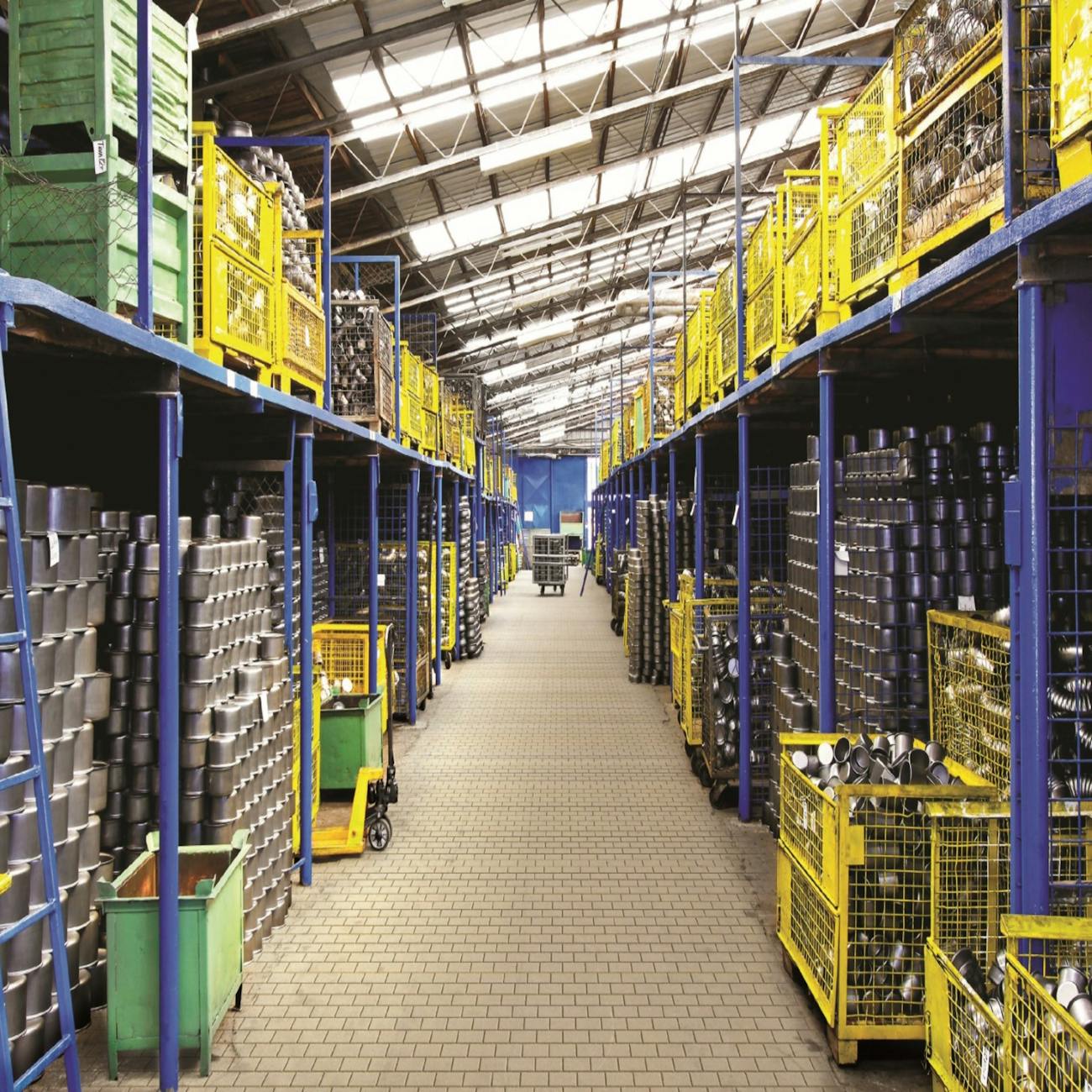
Inventory management in food services is the process of overseeing the storage,… #
Effective inventory management is crucial in the food industry to meet customer demand, prevent stockouts, reduce food spoilage, and maximize profitability.
Key Concepts #
1. Stock Levels #
The quantity of food and beverage items held in inventory at any given time. Stock levels are typically categorized as raw materials, work-in-progress, and finished goods.
2. Inventory Turnover #
The number of times inventory is sold or used up within a specific period, usually calculated as cost of goods sold divided by average inventory value.
3. Lead Time #
The time it takes for an order to be delivered from the supplier to the food service establishment. Lead time influences inventory levels and ordering practices.
4. Just #
in-Time (JIT) Inventory: A strategy in which inventory is ordered and received just before it is needed for production or sale, reducing holding costs and waste.
5. First #
In, First-Out (FIFO): A method of inventory management in which the oldest stock is used or sold first to minimize spoilage and obsolescence.
6. Minimum Order Quantity (MOQ) #
The smallest quantity of a product that a supplier is willing to sell or deliver, often used to negotiate better prices and terms.
7. Reorder Point #
The inventory level at which a new order should be placed to replenish stock before running out, taking into account lead time and demand variability.
8. Batch Tracking #
Assigning a unique identifier to a group of products (batch) to trace its movements and ensure quality control and compliance with regulations.
9. Safety Stock #
Extra inventory held as a buffer against unexpected increases in demand, supply chain disruptions, or lead time variability.
10. ABC Analysis #
Classifying inventory items into categories based on their value and importance, such as A (high value, low volume), B (moderate value, moderate volume), and C (low value, high volume).
Challenges in Inventory Management #
1. Seasonal Demand #
Fluctuations in customer demand based on seasons, holidays, or events can lead to overstocking or stockouts if not properly anticipated.
2. Perishable Items #
Food items with limited shelf life require careful management to prevent spoilage and waste, increasing the complexity of inventory control.
3. Supplier Reliability #
Dependence on external suppliers for timely deliveries and quality products can impact inventory levels and operational efficiency.
4. Storage Space Constraints #
Limited storage space may restrict the amount of inventory that can be held, requiring efficient space utilization and rotation practices.
5. Cost Considerations #
Balancing inventory costs, such as holding costs, ordering costs, and stockouts, to optimize profitability while meeting customer expectations.
6. Data Accuracy #
Inaccurate inventory records, due to human error or system glitches, can lead to mismanagement of stock levels and poor decision-making.
7. Regulatory Compliance #
Food safety regulations, labeling requirements, and traceability standards impose additional constraints on inventory management practices.
8. Waste Reduction #
Strategies to minimize food waste, such as portion control, menu planning, and donation programs, should be integrated into inventory management processes.
9. Technology Integration #
Implementing inventory management software, barcoding systems, and automated tracking tools can enhance visibility and control over inventory operations.
10. Staff Training #
Ensuring that employees are trained in proper handling, storage, and inventory management procedures to maintain quality and safety standards.
Practical Applications #
2. Vendor Relationship Management #
Building strong partnerships with suppliers to negotiate favorable terms, ensure product quality, and streamline ordering and delivery processes.
3. Waste Management #
Implementing waste tracking systems, composting programs, and donation initiatives to minimize food waste and environmental impact.
4. Forecasting and Demand Planning #
Using historical data, market trends, and customer feedback to predict future demand and adjust inventory levels accordingly.
5. Cycle Counting #
Conducting regular physical inventory counts of selected items to verify stock accuracy, identify discrepancies, and maintain inventory integrity.
6. Cross #
Training: Training employees across different roles and tasks to enhance flexibility, efficiency, and collaboration in managing inventory operations.
7. Quality Control #
Implementing quality assurance measures, such as inspections, testing, and monitoring, to ensure that products meet safety and regulatory standards.
8. Continuous Improvement #
Regularly reviewing and optimizing inventory management processes, policies, and technologies to adapt to changing market conditions and customer preferences.
9. Supply Chain Integration #
Collaborating with suppliers, distributors, and other partners to streamline the flow of goods, information, and resources throughout the supply chain.
10. Sustainability Initiatives #
Incorporating environmentally friendly practices, such as sourcing local ingredients, reducing packaging waste, and promoting reusable containers, into inventory management strategies.
In conclusion, effective inventory management in food services is essential for… #
By implementing best practices, leveraging technology, and fostering collaboration with stakeholders, food service establishments can optimize their inventory operations and drive sustainable growth in the competitive food industry.